GOOD HEARTS HEALTH


Phone: (786) 747-7904

Email: Dr.Q@goodheartshealth.com

GOOD HEARTS HEALTH


Phone: (786) 747-7904


Email: Dr.Q@goodheartshealth.com

BLOGS

©2023 by Good Hearts Health.

Blog

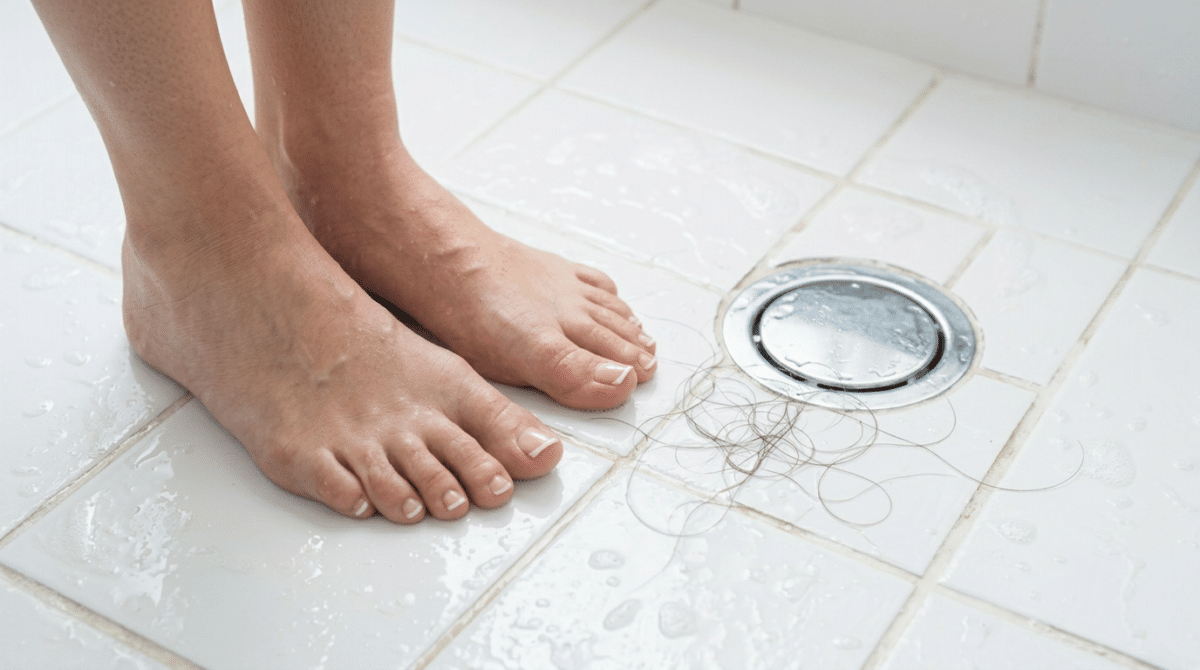
Hair-Loss-Post-2-1200x670.png

Medically authored by Dr. Mario Quiros, MD — Board-Certified Emergency Medicine & Obesity Medicine Physician | Good Hearts Health

Hair loss or thinning is a relatively common and concerning side effect for patients taking GLP-1 Medications. Patients often reach out feeling both distressed and confused and looking for guidance as to why this is occurring. They want to know if the hair loss is permanent and what they can do in order to slow down or reverse the process. There is typically a misunderstanding as to what exactly is causing the hair loss and they want to know if it is a direct side effect of the medication or part of the weight loss process more generally.

GLP-1 therapy associated hair loss is rarely caused by the medication itself. In the overwhelming majority of cases, hair loss on semaglutide or tirzepatide is your body’s reaction to rapid weight loss and caloric restriction — not a direct toxic effect of the drug. That distinction matters because it changes how you think about prevention. It also means this type of hair loss is typically temporary and reversible.

This guide covers what is actually causing the shedding, how common it really is, and which patients are most at risk. It also covers strategies ranging from diet optimization, pacing of weight loss, supplement usage, and prescription medications that can meaningfully reduce your risk and speed your regrowth.

What’s Actually Causing the Hair Loss: The Drug or the Deficit?

To understand GLP-1-related hair loss, you need to understand a condition called telogen effluvium (TE) — and it has nothing to do with your hair follicles being damaged.

At any given time, roughly 85–90% of your scalp hair is in an active growth phase called anagen, while the remaining 10–15% has entered a resting phase called telogen, before shedding naturally. When your body experiences a significant physiological stressor — rapid weight loss, a caloric deficit, illness, surgery, or severe nutritional shortfall — it can push a much larger percentage of hairs into that resting phase all at once. Two to four months later, those hairs shed together, producing the diffuse thinning and increased shedding patients notice in the shower drain and hairbrush.

The evidence increasingly points to caloric deficit and rapid fat loss — not the GLP-1 molecule itself — as the primary driver:

  • Caloric and nutritional stress is the leading mechanism. A 2026 systematic review published in Science Progress concluded that substantial caloric restriction and rapid adipose loss can precipitate telogen effluvium through transient deficiencies in protein, iron, and zinc — and that tirzepatide, which produces greater average weight loss than semaglutide, is associated with correspondingly higher rates of reported hair loss.
  • Hormonal shifts may play a secondary role. Rapid fat loss can transiently increase bioavailable testosterone, which in genetically susceptible patients may accelerate follicle miniaturization and unmask androgenetic (pattern) hair loss that was already present but not yet visible.
  • GLP-1 itself does not appear to directly damage follicles. Some research suggests GLP-1 receptors present in skin may actually support hair growth through the Wnt/β-catenin signaling pathway — the opposite of what you’d expect if the drug were directly toxic to hair. This further supports the deficit, not the drug, as the culprit.
  • Additional physiologic stressors compound the effect. Nausea, vomiting, reduced appetite, dehydration, and poor sleep — all common early on GLP-1 therapy — add their own stress signals on top of the caloric deficit itself.

In short: if you are losing weight quickly and eating significantly less than before, your body is undergoing the same stress response it would experience from crash dieting, bariatric surgery, or a severe illness — GLP-1 medications are simply an unusually effective way of getting you there.

How Common Is GLP-1 Hair Loss?

Hair loss is a real, measurable side effect — but it is far from universal, and the numbers vary meaningfully by medication, dose, and how much weight a patient loses.

Trial / Data Source Medication Reported Hair Loss
SURMOUNT-1 (5–15mg doses) Tirzepatide 4.9–5.7% vs. 0.9% placebo
SURMOUNT-3 Tirzepatide 7.0% vs. 1.4% placebo
OASIS-1 (50mg oral) Semaglutide 7.0% vs. 3.0% placebo
STEP program (2.4mg subcutaneous) Semaglutide ~3.0% vs. 1.0% placebo
Meta-analysis, GLP-1 RA class-wide Class-wide 6.0 per 1,000 patient-years vs. 0.8 per 1,000 patient-years (placebo)

A large 2026 real-world cohort study using the TriNetX database compared nearly 550,000 GLP-1 users to a matched control group and found the risk climbs the longer patients stay on therapy: at 12 months, the odds of telogen effluvium were 76% higher, and the odds of androgenetic alopecia were 64% higher, compared to non-users.

The clearest predictor by far is how much weight you lose, not which drug you take. In the same body of research, patients who lost more than 20% of their starting body weight had a hair loss incidence of roughly 5.3%, compared to about 2.5% in patients who lost less than 20%. A separate retrospective study found the average threshold for triggering telogen effluvium was around 15% total body weight lost, at a pace of roughly 3.5 kg (about 7.7 lbs) per month.

When Does It Happen? The Delay Between Weight Loss and Hair Loss

This is the piece that catches most patients off guard: hair loss on GLP-1 therapy is a delayed reaction, not an immediate one. Because of how the hair growth cycle works, there is typically a lag of two to three months between the physiological trigger (the steepest phase of your caloric deficit and weight loss) and the point at which you actually notice increased shedding.

Putting the timeline together from the available data:

  • Weeks 1–8 on therapy: Appetite suppression begins, calorie intake drops, and weight loss accelerates. Hair still looks normal — the follicles have already been pushed into the resting phase, but shedding hasn’t started yet.
  • Roughly 6–12 weeks after the deficit begins: This is when most patients first notice increased shedding — in the shower, on the pillow, or in the hairbrush. Peak shedding is most commonly reported between 12 and 20 weeks into treatment, which typically overlaps with the phase of most active weight loss and dose escalation.
  • Months 3–9: Shedding is heaviest during whatever period produced the most rapid weight loss. Patients who lose weight quickly in the first few months and then plateau tend to see shedding concentrate in that same early window, three or so months later.

So to directly answer a question I get constantly: hair loss is most common not while you’re simply “on” a GLP-1 medication, but specifically during the window that follows your steepest, most rapid rate of weight loss — usually the first several months of treatment or any period of aggressive dose escalation.

Who Is Most at Risk?

In my practice, and in the research, certain patients are disproportionately affected:

  • Women. This is the single strongest demographic pattern in the data — in the SURMOUNT program, 7.1% of women on tirzepatide reported hair loss compared to just 0.5% of men. Women also tend to run closer to iron and ferritin deficiency at baseline, which compounds the risk.
  • Patients losing weight rapidly or in large amounts. Anyone losing more than 15–20% of body weight, or losing weight faster than roughly 1–1.5% of body weight per week, is at meaningfully higher risk.
  • Patients on tirzepatide or higher doses. Because tirzepatide tends to produce greater average weight loss than semaglutide, and higher doses of either drug produce more weight loss than lower doses, the hair loss risk tracks upward with dose and with the medication’s overall potency.
  • Anyone with a personal or family history of androgenetic (pattern) hair loss. Rapid weight loss can unmask or accelerate pattern hair loss that was already genetically “primed” but not yet visibly active.
  • Patients with significant GI side effects. Ongoing nausea, vomiting, or poor appetite reduces intake of protein and micronutrients well beyond what the caloric deficit alone would cause — see our guide on managing GI side effects like sulfur burps on GLP-1 medications for more.
  • Older adults. Research on weight-loss-related telogen effluvium specifically notes that women and older adults are disproportionately vulnerable, even at the same percentage of weight lost as younger or male patients.
  • Patients with pre-existing nutritional gaps — restrictive dieters, previous bariatric surgery patients, and anyone entering treatment with low iron, vitamin D, or protein intake.

Diet Strategies to Protect Your Hair While Losing Weight

The single most protective thing you can do is simple to state and hard to execute while your appetite is suppressed: eat enough protein, every day, without exception.

  • Hit 1.2–1.6 grams of protein per kilogram of body weight daily (up to 2.0 g/kg if you’re resistance training or carrying significant excess weight). Hair is made almost entirely of a protein called keratin — when intake drops, your body deprioritizes hair production in favor of more immediately essential functions.
  • Eat protein first at every meal. Because GLP-1 medications shrink the amount of food you can comfortably eat, whatever you eat first should be the most nutritionally dense. Prioritize eggs, poultry, fish, Greek yogurt, cottage cheese, lean beef, and legumes before reaching for anything else on the plate.
  • Don’t under-eat on top of the medication. GLP-1 drugs already create a substantial caloric deficit on their own. Stacking an aggressive diet or additional calorie restriction on top of that effect is the single fastest way to trigger significant telogen effluvium.
  • Treat nausea and GI symptoms proactively. If vomiting, reflux, or nausea are limiting what you can keep down, talk to your provider about dose pacing, timing, or anti-nausea strategies — this isn’t just about comfort, it directly protects your nutritional intake.
  • Stay hydrated. Dehydration compounds physiologic stress and is common on GLP-1 therapy due to slowed gastric emptying and reduced fluid intake alongside reduced food intake.
  • Favor whole foods over processed ones. When you are eating less overall, every calorie needs to work harder nutritionally. A 300-calorie serving of processed food delivers a fraction of the protein, iron, zinc, and B vitamins that whole food sources provide.

For a complete breakdown of protein targets, macros, and how to build every meal around GLP-1 therapy, see our full guide: The Ideal Diet for GLP-1 Medication Patients.

Does Your Rate of Weight Loss Matter?

Yes — significantly. The data on this is some of the clearest in the entire hair loss conversation: it is not simply GLP-1 exposure that drives hair loss, it is the speed and magnitude of weight loss.

Patients who lose more than 20% of their body weight have roughly double the hair loss incidence of those who lose less than 20% (5.3% vs. 2.5%). Separately, a retrospective study identified an average trigger point of about 15% total body weight lost at a pace near 3.5 kg (7.7 lbs) per month.

Translating that into practical guidance, I counsel patients to aim for:

  • A weight loss pace of roughly 0.5–1% of body weight per week — for a 200 lb patient, that’s about 1–2 lbs per week, which aligns with standard, evidence-based obesity medicine guidance even outside the hair loss conversation.
  • Gradual dose escalation rather than rushing to the highest tolerated dose. Slower titration schedules produce a steadier, more gradual rate of weight loss and give your nutritional intake time to adjust.
  • Avoiding “stacking” interventions — don’t combine an aggressive low-calorie diet, intense caloric restriction, or extreme exercise regimens with GLP-1 therapy simultaneously. Let the medication do the work at a physiologically reasonable pace.

Faster is not better here. Pairing a controlled pace with resistance training helps preserve muscle further — see Best Exercise on GLP-1 Therapy. Patients who lose weight in a controlled, steady fashion tend to preserve more lean muscle mass and more hair density than patients who lose the same total amount of weight faster.

Micronutrients and Supplements: Test Before You Supplement

Nutritional deficiency is one of the most correctable pieces of this entire picture — but blanket supplementation without testing is not the answer. Here is what the evidence actually supports:

  • Iron / ferritin. This is the single most important lab to check. Standard lab reference ranges list “normal” ferritin as low as 12–15 ng/mL, but the threshold associated with healthy hair growth is considerably higher — generally cited between 50–70 ng/mL, with some data suggesting benefit up to 100 ng/mL. If you’re shedding and your ferritin is under 50, this is often the single most fixable piece of the puzzle.
  • Zinc. Associated with hair loss primarily at true deficiency levels. Do not supplement blindly — excess zinc can itself cause hair shedding and interferes with copper absorption. Test first.
  • Vitamin D. Deficiency is extremely common in patients with hair loss (reported in roughly half of cases across several studies) and is worth checking as part of any workup. Supplementation alone shows modest benefit, but combined with other therapies it meaningfully improves outcomes.
  • Vitamin B12 and folate. Particularly relevant if red meat and animal protein intake has dropped substantially since starting therapy.
  • Biotin — manage expectations. Biotin is the most heavily marketed hair supplement, but true biotin deficiency is uncommon, and the best-quality placebo-controlled research has not shown a benefit over placebo in the absence of documented deficiency. High-dose biotin (10mg+ daily) can also falsely skew thyroid lab results, which matters if your provider is also checking your TSH. I don’t routinely recommend it.
  • Protein and collagen intake. Directly supports keratin production; this is nutrition, not a supplement fad, and it’s the single highest-yield intervention on this entire list.
  • Omega-3 fatty acids. Support scalp health and reduce inflammation; aim for fatty fish two to three times weekly or a quality supplement if intake is low.

For patients who fall in to a higher risk category I will often recommend Nutrafol as a vitamin supplement to preemptively try and mitigate hair loss/shedding while on the medication. This works best when combined with a structured weight loss program and appropriate nutrition. For lower risk patients or patients who want to take a more conservative approach, I recommend getting a comprehensive metabolic panel and micronutrient bloodwork (CBC, ferritin, TSH, vitamin D, B12, zinc) every six months on long-term GLP-1 therapy or at the first sign of noticeable shedding. We then would treat any micronutrient deficiencies addressed through targeted and appropriate supplementation.

Prescription Options That Can Help

For most patients, telogen effluvium resolves on its own once weight stabilizes and nutrition catches up. But for patients who want to actively support regrowth, or who have an unmasked pattern hair loss component, several evidence-based prescription options exist:

  • Topical minoxidil (2% or 5%). The best-studied, first-line option for both telogen effluvium and androgenetic alopecia. It shifts follicles into the active growth phase and increases scalp blood flow. Available over the counter but I recommend guided use, since consistent daily application for several months is required before results appear.
  • Low-dose oral minoxidil (LDOM). An increasingly popular off-label alternative to the topical formulation, particularly for patients who find the topical solution messy or irritating. It requires a prescription and a quick review of cardiovascular history and blood pressure before starting.
  • Spironolactone combined with low-dose oral minoxidil. For women with a pattern-hair-loss component (thinning concentrated at the part line or crown), this combination — an anti-androgen paired with LDOM — has shown good efficacy and tolerability in recent dermatology cohort studies. This is a prescription-only combination that requires physician supervision.
  • Finasteride (topical or low-dose oral). Primarily used for male-pattern hair loss by reducing DHT, though it is sometimes used off-label in select postmenopausal women under dermatologic supervision. Not appropriate for women who are or may become pregnant.
  • When to see a dermatologist. If shedding persists beyond six to nine months, if you notice patterned thinning rather than diffuse shedding, or if there’s any scalp inflammation or scarring, it’s time for a dermatology referral rather than continued watchful waiting.

The Regrowth Timeline: How Long Until It Grows Back

This is the question every patient really wants answered, and the good news is straightforward: telogen effluvium from GLP-1-related weight loss is, in the overwhelming majority of cases, fully reversible. There is no strong evidence of permanent follicular damage from GLP-1 medications themselves.

The timeline generally follows this pattern once you move from active weight loss into a caloric-neutral, weight-maintenance phase:

  • Shedding slows within 3–6 months of your weight and intake stabilizing. Because hair loss is a delayed reaction to a stressor, shedding won’t stop the instant you hit maintenance — it stops once the follicles that were pushed into the resting phase during active weight loss finish their cycle and shed out.
  • New growth becomes noticeable around 4–6 months after shedding slows, as new hairs enter the anagen (growth) phase and begin pushing through.
  • Cosmetically meaningful fullness typically returns by 12–18 months after the trigger resolves. Hair grows at roughly half an inch per month, so rebuilding visible density simply takes time — there is no way to meaningfully accelerate the biological growth rate itself, only to make sure the follicles have what they need (protein, iron, a stable weight) to do their job.

The most important variable you control is reaching a stable, caloric-neutral maintenance phase as intentionally as possible, rather than cycling repeatedly between aggressive deficits and rebounds — each new deficit essentially restarts the shedding clock.

Dr. Q’s Take

The fact that you are experiencing hair loss while on a GLP-1 medication almost always means your body is under real physiologic stress from how quickly you’re losing weight. This is useful information, not just a cosmetic inconvenience to power through. When I see a patient with significant shedding, my first course of action is not typically prescription medication. This is a signal to reassess our treatment course, to a look at the patients nutritional status and protein intake, to re evaluate the patients rate of weight loss, and possibly order a basic set of labs to look for micronutrient deficiencies.

The patients who navigate this best are the ones who slow down slightly, prioritize protein even in a caloric restricted state, and treat their micronutrient deficiencies. Hair loss on GLP-1 therapy is almost never a reason to stop an otherwise effective medication — it’s a signal to adjust pace and nutrition. GLP-1 therapy is an incredibly effective weight loss intervention, but just like any therapeutic intervention it comes with its own set of risks and side effects. My treatment philosophy is based on regular patient check in’s, dosing protocols tailored to the patients rate of weight loss and side effects, and supplemental lifestyle and medical interventions when they are indicated. Medication assisted weight loss is not one size fits all. Working with a board certified Obesity Medicine Physician is critical in ensuring successful treatment outcomes, optimizing weight loss and mitigating any potential negative side effects associated with GLP-1 assisted weight loss.

Frequently Asked Questions About GLP-1 Hair Loss

Q: Is hair loss from GLP-1 medications permanent?
No. The overwhelming majority of cases are telogen effluvium, a temporary and fully reversible shedding pattern. There is no strong evidence that semaglutide or tirzepatide cause permanent follicular damage.

Q: How long after starting a GLP-1 medication does hair loss start?
Most patients notice increased shedding roughly two to three months after their most rapid phase of weight loss begins, with peak shedding commonly reported between 12 and 20 weeks into treatment.

Q: Will hair loss stop if I keep losing weight?
Not necessarily. Ongoing rapid weight loss can prolong or restart the shedding cycle. Shedding typically slows once you reach a stable, caloric-neutral maintenance phase — not simply once you’ve lost a target amount of weight.

Q: Should I stop my GLP-1 medication if I’m losing hair?
In most cases, no — this should be a conversation with your prescribing provider rather than a decision made alone. Slowing your rate of weight loss, correcting nutritional gaps, and optimizing protein intake is usually the better first step.

Q: Does tirzepatide cause more hair loss than semaglutide?
Reported rates are somewhat higher with tirzepatide, but this largely tracks with the fact that tirzepatide tends to produce greater average weight loss than semaglutide — the amount of weight lost appears to be the stronger driver than the specific medication.

References & Further Reading

Ready to Start a Physician-Supervised GLP-1 Weight Loss Program?

At Good Hearts Health, Dr. Mario Quiros provides personalized, board-certified concierge weight loss care using FDA-approved Semaglutide and Tirzepatide therapy — including close monitoring of nutrition, pacing, and labs to help you avoid preventable side effects like GLP-1 hair loss. If you are considering GLP-1 therapy for weight loss, we offer a free initial consultation to see if our program is right for you.

Book your free consultation with Good Hearts Health today →

Medical Disclaimer: This article is for educational purposes only and does not constitute medical advice, diagnosis, or treatment. Always consult your healthcare provider before making changes to your medication regimen, diet, or treatment plan.

Medically Authored by Dr. Mario Quiros, MD. Board-Certified Emergency Medicine and Obesity Medicine Physician. Owner and Operator of Good Hearts Health.

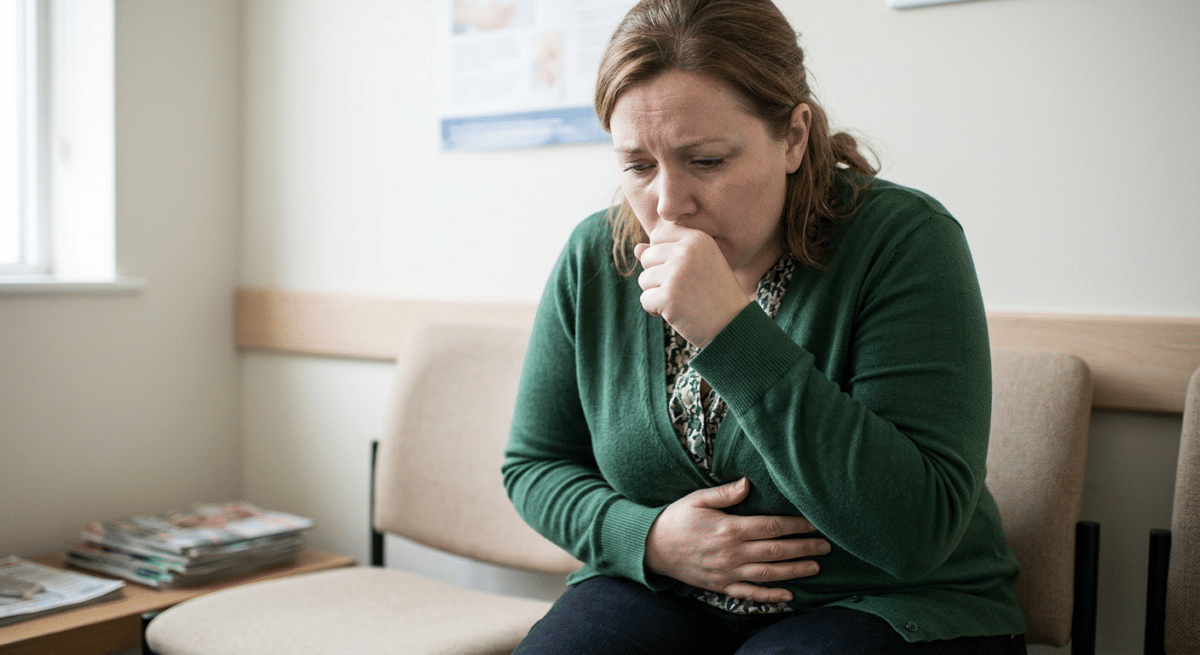

Healthy-Food-Post-1200x655.png

Medically authored by Dr. Mario Quiros, MD — Board-Certified Emergency Medicine & Obesity Medicine Physician | Good Hearts Health

If you are taking a GLP-1 medication — semaglutide (Ozempic, Wegovy) or tirzepatide (Mounjaro, Zepbound) — your prescription is doing real work. But what you put on your plate will determine how much of that work actually sticks. GLP-1 medications suppress appetite and reshape hunger signals. They do not replace the need for good nutrition. In fact, because these medications reduce how much you eat, the quality of every calorie you consume matters more than ever.

This guide covers the ideal diet for GLP-1 patients: how much protein you need, how to break down your macros, which foods support your results, and which ones — alcohol, refined carbohydrates, processed foods, and saturated fats — cost you far more per calorie than they give back. It also covers something most guides overlook: how GLP-1 medications change what you crave, and why those new cravings are pointing you exactly where you need to go.

Why Diet Matters More, Not Less, on GLP-1 Medications

GLP-1 receptor agonists slow gastric emptying, reduce appetite, and improve insulin sensitivity. The result: you feel full faster, stay full longer, and eat significantly fewer calories. Many patients assume the quality of food matters less when the quantity is already being controlled. This is one of the most consequential mistakes you can make on GLP-1 therapy.

Every calorie carries more weight when you are eating fewer of them. If you are consuming 1,200–1,600 calories per day instead of your previous 2,200, empty calories from processed food, alcohol, or refined carbohydrates crowd out the protein, fiber, vitamins, and minerals your body needs to preserve muscle, support bone density, and maintain energy. There is no room for nutritional waste on a GLP-1 diet.

Muscle loss is a serious and underappreciated risk. Research suggests that up to 25–40% of weight lost through caloric restriction alone can come from lean mass rather than body fat. Muscle is metabolically active tissue — losing it slows your resting metabolism and makes long-term weight maintenance far harder. Adequate protein and resistance training are non-negotiable.

The medication creates a window. What you do inside it determines whether your results last. The patients who achieve lasting outcomes are those who use the reduced appetite as a chance to eat differently — not just less. GLP-1 therapy is most effective when it is running alongside a diet that actively supports it.

Protein: The Most Important Nutrient on GLP-1 Medications

Protein is the non-negotiable foundation of every meal for GLP-1 patients. Most people on these medications are not consuming nearly enough.

How Much Protein Do You Need?

The target for GLP-1 patients is 1.2 to 1.6 grams of protein per kilogram of body weight per day. For patients doing resistance training or who carry significant excess weight, some clinicians recommend up to 1.8–2.0 g/kg.

  • 150 lb (68 kg) → target 82–109 grams of protein per day
  • 180 lb (82 kg) → target 98–131 grams of protein per day
  • 220 lb (100 kg) → target 120–160 grams of protein per day

Why protein matters so much on GLP-1 therapy:

  • Muscle preservation. On a caloric deficit — which GLP-1 almost guarantees — your body will pull from muscle for energy unless you supply adequate dietary protein. Eating enough protein is the single most effective defense against lean mass loss.
  • Satiety amplification. Protein triggers the release of satiety hormones including GLP-1 itself, PYY, and CCK. Dietary protein and your GLP-1 medication create a synergistic appetite-suppressing effect when combined.
  • Thermic advantage. Your body burns 20–30% of protein calories during digestion, compared to 5–10% for carbohydrates and 0–3% for fat. Protein has the lowest net caloric impact of any macronutrient.
  • Blood sugar stability. Protein has a negligible effect on blood glucose — an important benefit for the large number of GLP-1 patients who are insulin-resistant or pre-diabetic.

Best protein sources for GLP-1 patients: eggs and egg whites, chicken breast and turkey, fish and shellfish (salmon, cod, shrimp, tuna), Greek yogurt and cottage cheese (unsweetened), lean beef and bison (90%+ lean), lentils and beans (with the bonus of fiber), tofu and edamame.

Practical rule: Eat your protein first at every meal, before vegetables or any carbohydrate. Because GLP-1 reduces meal volume, you want whatever fills you up first to be protein — not bread.

The Right Macronutrient Breakdown for GLP-1 Patients

GLP-1 patients benefit from a macro split that prioritizes protein, emphasizes healthy fat, and keeps carbohydrates concentrated in high-fiber whole food sources.

Macronutrient Target Range Notes
Protein 30–40% of total calories Anchor of every meal — eat this first
Fat 30–35% of total calories Prioritize unsaturated; limit saturated
Carbohydrates 25–35% of total calories Whole food sources with fiber only

Sample targets on a 1,400-calorie day:

Macro Grams Calories % of Total
Protein 120–140g 480–560 34–40%
Fat 45–55g 405–495 29–35%
Carbohydrates 90–120g 360–480 26–34%

Dietary Fats: Unsaturated vs. Saturated — Why It Matters Calorie for Calorie

Aim for 30–35% of daily calories from fat. The type matters enormously — particularly on a calorie-restricted diet where there is no room for nutritionally poor choices.

Prioritize: extra virgin olive oil, avocados, nuts and seeds (almonds, walnuts, chia, flaxseed), fatty fish (salmon, mackerel, sardines), and olives.

Limit: saturated fat from red meat, butter, full-fat dairy, coconut oil, and palm oil.

At 9 calories per gram, fat is the most calorie-dense macronutrient. Saturated fat delivers those calories without the satiety of protein, the fiber and micronutrients of whole carbohydrates, or the cardiovascular benefit of unsaturated fat. Research consistently links high saturated fat intake to elevated LDL cholesterol, systemic inflammation, and increased cardiovascular risk — conditions that frequently accompany the metabolic syndrome GLP-1 is working to reverse. Calorie for calorie, unsaturated fat from olive oil, nuts, and fish is a dramatically better investment.

Carbohydrates: The Calorie-for-Calorie Case Against Refined Carbs

Carbohydrates are not the enemy. Refined carbohydrates — white bread, white rice, pasta, crackers, cereals, baked goods, sugary drinks — are. These have been processed to remove fiber and most micronutrients, and calorie for calorie they are among the worst choices a GLP-1 patient can make.

  • They spike blood glucose rapidly — triggering an insulin response that leads to a crash within 1–2 hours, driving renewed hunger directly against the appetite suppression GLP-1 provides.
  • They provide almost no satiety — because the fiber has been stripped, they move through the stomach quickly and do not trigger fullness hormones the way whole foods do.
  • They contain empty micronutrients — a 200-calorie portion of white bread offers virtually nothing in terms of vitamins, minerals, or phytonutrients. A 200-calorie portion of lentils offers protein, iron, folate, and substantial fiber.
  • They drive addictive reward signaling — refined carbohydrates stimulate dopamine release in ways that reinforce cravings and overeating patterns, even against the background of GLP-1 suppression.

Smart carbohydrate sources for GLP-1 patients: non-starchy vegetables (leafy greens, broccoli, cauliflower, zucchini, bell peppers), legumes (lentils, beans, chickpeas), berries and low-sugar fruits, sweet potatoes and squash, quinoa, oats, and brown rice in modest portions. A simple rule: if the carbohydrate source provides 3+ grams of fiber per serving, it belongs in your diet. If the fiber has been removed, reconsider.

Alcohol: The Most Underestimated Threat to GLP-1 Success

At 7 calories per gram, alcohol is nearly as calorie-dense as fat — with none of fat’s redeeming nutritional qualities. Calorie for calorie, alcohol is the single worst dietary choice for GLP-1 patients:

  • It pauses fat burning. When you drink, your liver treats alcohol as a toxin and shifts its entire metabolic priority to processing it. Fat oxidation stops until the alcohol is cleared — interrupting the caloric deficit your medication has worked to create.
  • It lowers food judgment. Alcohol weakens inhibition around food choices, often leading to late-night, high-calorie, high-fat meals that further erode the medication’s effects.
  • It may hit harder on GLP-1. Because GLP-1 medications slow gastric emptying, alcohol may reach the bloodstream at a different rate than expected, altering intoxication in ways patients don’t anticipate.
  • It disrupts sleep and hunger hormones. Poor sleep elevates ghrelin (the hunger hormone) while lowering leptin (the satiety hormone) — directly counteracting GLP-1’s appetite-suppressing mechanism.
  • It provides zero nutritional return. No protein, no fiber, no essential micronutrients — only calories that pause fat metabolism and undermine every other positive dietary choice you are making.

Processed Foods: Engineered to Defeat GLP-1

Ultra-processed foods are industrially manufactured products designed to hit specific combinations of fat, sugar, and salt that maximize palatability and minimize fullness. They are, quite literally, engineered to defeat your body’s stop signals. GLP-1 strengthens those signals. Ultra-processed foods are built to override them.

Beyond appetite disruption, they are calorie-dense and nutrient-poor, promote systemic inflammation that impairs the insulin sensitivity GLP-1 is working to restore, and damage gut microbiome diversity critical to long-term metabolic health. A 300-calorie serving of ultra-processed food delivers a fraction of the protein, fiber, and micronutrients of a 300-calorie serving of salmon and vegetables. The differential in nutritional value, on a per-calorie basis, is not close.

The Case for Whole Foods

A whole food is minimally processed, close to its natural state, and comes packaged with the fiber, water, vitamins, minerals, and phytonutrients your body expects alongside its calories. When you are eating significantly less overall, the nutritional quality of every bite is critical.

Whole foods provide higher satiety per calorie (an apple is far more filling than apple juice at the same calorie count), superior micronutrient density that supplements cannot fully replicate, blood sugar stability that prevents hunger-driving crashes, gut microbiome support through prebiotic fiber, and lower caloric density — allowing you to eat a larger physical volume for fewer calories. On a GLP-1 diet, whole foods are where every calorie earns its place.

How GLP-1 Medications Change What You Crave

One of the most clinically fascinating — and underreported — effects of GLP-1 medications is what they do to food cravings. GLP-1 receptors are found not only in the gut but throughout the brain’s reward centers, including the nucleus accumbens and prefrontal cortex. When GLP-1 medications activate these receptors, they appear to reduce the reward value of highly palatable, high-calorie foods — not just the physical sensation of hunger.

Patients consistently report:

  • Alcohol becomes less appealing or even aversive. This effect is so consistent that GLP-1 medications are now being actively studied as a treatment for alcohol use disorder.
  • Cravings for sweets, junk food, and processed snacks diminish significantly. Many patients describe finding these foods “too sweet” or “too heavy” — a perception shift they never experienced before.
  • Protein-rich whole foods become more naturally appealing. Eggs, lean proteins, vegetables, and simpler preparations start to feel like exactly what the body wants.
  • Portion sizes self-regulate downward. The desire to overeat or continue past fullness decreases alongside the appetite for low-quality foods.

This is not willpower. It is a genuine neurobiological recalibration of the brain’s reward circuitry around food.

Your GLP-1 Cravings Are a Roadmap — Use Them

The food preferences that emerge while you are on GLP-1 medication are not an artifact of the drug. They are a glimpse of what your natural, baseline relationship with food could look like. GLP-1 medications quiet the noise — the dopamine-driven pull of engineered hyperpalatable foods, the patterns built around emotional eating, the neurological static of years of processed food consumption. What emerges tends to be a cleaner, more instinctive appetite for foods that actually nourish.

For patients planning to eventually taper or discontinue GLP-1 therapy, this is critical: pay close attention to what your body gravitates toward while on the medication, and build your lifestyle around those foods now. This creates the behavioral and neurological habits that will support you when pharmacological assistance is reduced or removed.

  • If alcohol has lost its appeal, use this window to break the pattern completely. Reinforce it with new social habits before the prescription changes.
  • If processed foods no longer call to you, replace them deliberately and permanently. Stock your kitchen to reflect the preferences the medication revealed.
  • If you are satisfied by smaller, protein-forward, vegetable-rich meals — that is your long-term target eating pattern. The medication helped you feel it. The goal is to keep it.

The craving profile GLP-1 reveals — lower desire for alcohol, sugar, and processed foods; greater satisfaction from whole proteins and vegetables — aligns almost exactly with the dietary pattern associated with long-term metabolic health, sustained weight maintenance, and chronic disease prevention. Pairing this nutritional approach with strength training amplifies results further, protecting the lean mass your medication is working hard to preserve.

Meal Construction Principles for GLP-1 Patients

  1. Protein first, every meal. Start with your protein source and build around it. If you fill up early, fill up on protein.
  2. Vegetables next. Fill half your plate with non-starchy vegetables before adding any starchy carbohydrate.
  3. Healthy fat in moderation. A small amount of olive oil, avocado, or nuts supports satiety and micronutrient absorption.
  4. Earn your carbohydrates. Any starchy carbohydrate on the plate should be a whole-food source with meaningful fiber content.
  5. Hydrate consistently. GLP-1 slows gastric emptying — staying well hydrated supports digestion and helps prevent constipation, a common side effect. Aim for 64+ oz of still water daily, sipped between meals.
  6. Eat slowly. Satiety signals take 15–20 minutes to register. Eating quickly on a GLP-1 medication can still result in overconsumption.

Key Nutrients to Monitor on Long-Term GLP-1 Therapy

Because GLP-1 patients eat significantly less, specific nutritional gaps are common. Watch for:

  • Iron and B12 — especially if red meat intake declines
  • Calcium and Vitamin D — if dairy consumption decreases
  • Magnesium — often low when whole grains and leafy greens are under-consumed
  • Fiber — aim for 25–35g per day; most patients fall significantly short
  • Omega-3 fatty acids — prioritize fatty fish 2–3 times per week or consider a quality supplement

A comprehensive metabolic panel and nutritional bloodwork every 6 months is a reasonable standard of care for anyone on long-term GLP-1 therapy. If you are experiencing fatigue, hair thinning, or weakness, discuss a full micronutrient panel with your provider.

Dr. Q’s Take

In my practice, the patients who get the most out of GLP-1 therapy — not just during treatment, but long after — are the ones who treat the medication as a tool, not a crutch. I have seen patients lose significant weight on these medications and regain a significant portion back once they discontinue treatment.  This typically happens when their diet and lifestyle never actually changed alongside the medical intervention. I have also seen patients use this window of reduced appetite to completely rebuild their relationship with food and exercise. Those are the ones who keep the weight off and have long term success.

The cravings you experience on GLP-1 medication are telling you something important. When alcohol stops appealing to you, when a bag of chips no longer calls your name the way it once did, when grilled salmon and roasted vegetables start feeling like exactly what you want — pay attention to that. That is not the drug talking. That is your biology, finally allowed to express what it actually needs.

Eat protein first. Prioritize whole foods. Respect the caloric cost of every gram of alcohol, refined carbohydrate, and saturated fat. And use the clarity this medication gives you to build the habits that will outlast it. That is how you turn a prescription into a permanent result.

References:

Medical Disclaimer: This article is for educational purposes only and does not constitute medical advice, diagnosis, or treatment. Always consult a qualified healthcare provider before making changes to your medication regimen, diet, or treatment plan.


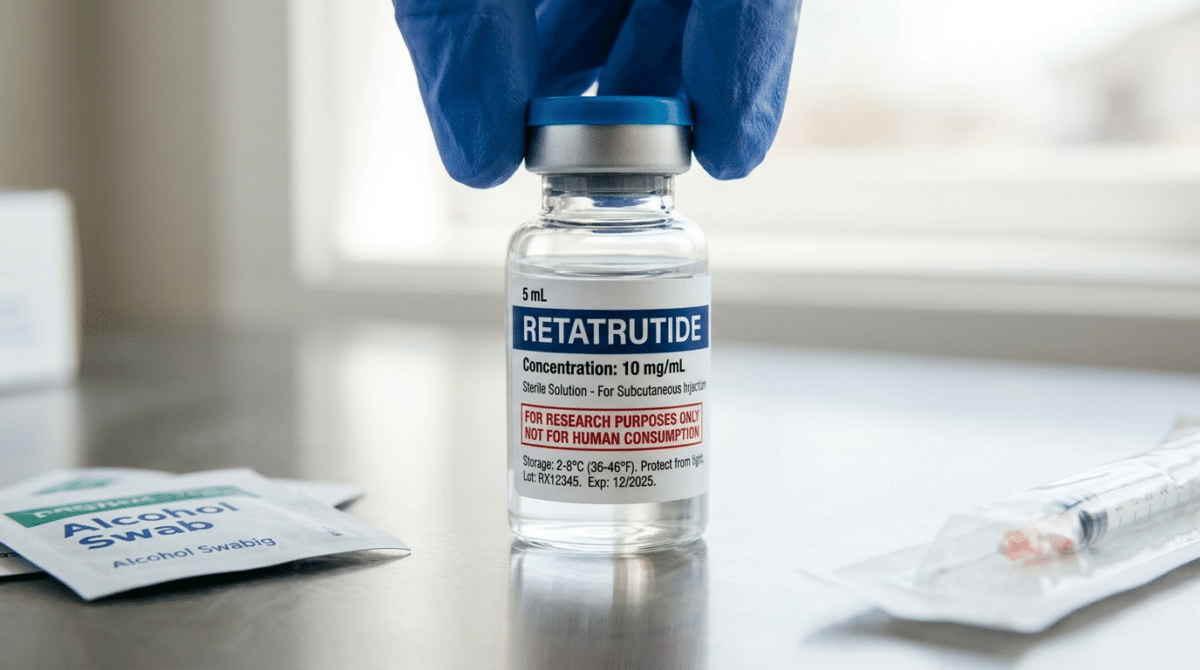
Steroid-User-1200x670.png

Medically authored by Dr. Mario Quiros, MD — Board-Certified Emergency Medicine & Obesity Medicine Physician | Good Hearts Health

Retatrutide — nicknamed “triple G” or “GGG” in fitness communities — has become one of the most talked-about compounds in gym culture. Unlike semaglutide or tirzepatide, which carry FDA approval and physician oversight, retatrutide is not yet approved for human use. That hasn’t stopped it from flooding online peptide markets and underground supplement forums — and it hasn’t stopped men at gyms from injecting it.

As a physician who specializes in GLP-1 therapy and obesity medicine, what I’m seeing in this space concerns me deeply.


Why Retatrutide Has Exploded in Gym Culture

Retatrutide is a triple receptor agonist — it simultaneously activates the GLP-1, GIP, and glucagon receptors. Developed by Eli Lilly, the TRIUMPH-1 Phase 3 trial reported in May 2026 showed participants on the 12 mg dose lost an average of 70.3 lbs (28.3%) of body weight over 80 weeks — results unprecedented in the weight loss space.

What caught the attention of the bodybuilding and fitness community specifically was the glucagon component. Glucagon is a hormone associated with fat mobilization and energy expenditure, and the narrative that spread rapidly through fitness forums, YouTube channels, and private Discord groups became: “Retatrutide doesn’t just make you lose weight — it makes you lose fat while keeping your muscle.”

That narrative is, at best, misleading. At worst, it is dangerous.


The Stack: What Men in Gyms Are Combining with Retatrutide

The use of retatrutide in gym culture rarely happens in isolation. It is being used as part of what fitness communities call a “recomp stack” — compounds combined with the goal of simultaneously losing fat and preserving muscle. Common compounds being used alongside retatrutide include:

Anabolic Steroids

  • Testosterone (various esters) — by far the most common co-administration. Testosterone directly stimulates muscle protein synthesis and counteracts the caloric deficit-driven muscle loss associated with GLP-1 therapy.
  • Nandrolone (Deca-Durabolin) — favored for its joint-protective properties and muscle-preserving effects during aggressive cutting phases.
  • Primobolan (Methenolone) — popular for lean muscle retention without significant water retention.
  • Trenbolone — used by more advanced users for its potent fat-burning and muscle-hardening effects, though it carries significant cardiovascular and psychiatric risk.

SARMs (Selective Androgen Receptor Modulators)

  • RAD-140 (Testolone) — marketed as a “safer” testosterone alternative for muscle preservation.
  • LGD-4033 (Ligandrol) — used primarily for lean mass retention during caloric restriction.
  • Ostarine (MK-2866) — widely promoted in fitness communities as muscle-sparing with minimal androgenic side effects.

Peptides and Growth Hormone Secretagogues

  • Ipamorelin / CJC-1295 — growth hormone-releasing peptides used to boost HGH levels, muscle recovery, and fat metabolism.
  • MK-677 (Ibutamoren) — an oral growth hormone secretagogue promoted for muscle gain and improved body composition.
  • BPC-157 and TB-500 — promoted for recovery and tissue repair. As I have written about previously in my guide on peptide safety, both are FDA-banned for human use and lack long term safety and efficacy data.  

Multi-GLP-1 Stacking

Some users are stacking retatrutide with tirzepatide or semaglutide in an attempt to create a more aggressive weight loss effect — a practice that carries significant risks including severe gastrointestinal complications, pancreatitis, and thyroid C-cell stimulation.


Why People Think Retatrutide Is Muscle-Sparing — And Why They’re Wrong

This is where the science matters most, and where gym culture’s anecdotal reporting is leading people astray. Phase 2 body composition data published in The Lancet Diabetes & Endocrinology showed that at the 12 mg dose over 48 weeks, approximately 74–75% of weight lost was fat mass, with 25–26% attributable to lean mass reduction. That lean mass figure is broadly comparable to other GLP-1 agents — there is no clinically validated evidence that retatrutide is uniquely muscle-sparing.

1. Confusing the Glucagon Effect with Muscle Protection

Yes, glucagon promotes fat oxidation. But glucagon is also catabolic — it can promote gluconeogenesis, the conversion of amino acids from muscle protein into glucose for energy. There is no reliable clinical evidence that retatrutide’s glucagon component selectively spares lean mass at the doses circulating in underground markets.

2. The Anabolics Are Doing the Work — Not Retatrutide

When someone stacks retatrutide with testosterone and reports “zero muscle loss,” the testosterone is almost certainly responsible for the muscle preservation. Exogenous testosterone dramatically increases muscle protein synthesis even in a significant caloric deficit. Attributing muscle-sparing to retatrutide in this context is a fundamental confounding variable error — and it spreads unchecked in communities where no physician oversight exists.

3. Short-Term Use Masks Long-Term Risk

Most users reporting favorable results are within the first 8 to 16 weeks of use. GLP-1-driven muscle loss tends to accelerate over time as the rate of weight loss outpaces the body’s ability to preserve lean tissue — particularly without adequate protein intake and structured resistance training.

4. Underground Market Doses Are Not Clinical Doses

The doses circulating in underground markets are often far higher or far lower than those studied in Phase 2 trials — with no quality assurance, sterility testing, or dosing accuracy. Exposures tracked by America’s Poison Centers surged to approximately 95 reports per month in early 2026, a 265% increase from the prior period.

5. Survivorship Bias in Online Reporting

The people posting physique updates and body recomposition success stories are, by definition, the ones who had positive experiences. The adverse events — significant muscle loss, cardiac arrhythmias, pancreatitis, severe nausea and malnutrition, severe hypoglycemia — do not get the same visibility on Instagram or fitness forums.


Why the Unregulated Status Is Fueling the Fire

Retatrutide is classified as a research chemical. It is not approved by the FDA for human use. It cannot be legally prescribed by a physician. The FDA issued warning letters to multiple websites in September 2025 for selling compounded or counterfeit retatrutide in violation of federal law. And yet it continues to be sold openly, often sourced from unregulated manufacturers — with no quality control on purity, potency, or sterility.

Several factors make the unregulated status a direct accelerant to its popularity in fitness culture:

  • No prescription required. For gym communities already accustomed to purchasing SARMs and peptides through gray market channels, buying retatrutide online requires nothing more than a credit card and clicking a box stating it is “for research purposes only.”
  • No physician oversight means no accountability. No one is monitoring cardiac function, thyroid markers, liver enzymes, or lean body mass. No one is adjusting the dose based on response. And critically, there is no one to call when something goes wrong.
  • Significantly cheaper than FDA-approved GLP-1 therapy. Branded tirzepatide can cost several hundred dollars per month. Underground retatrutide is obtained at a fraction of that cost — with zero pharmaceutical-grade quality assurance.
  • Exclusivity is reframed as desirability. In fitness culture, access to hard-to-obtain compounds carries social currency. The fact that retatrutide isn’t available at a pharmacy is reframed as a feature — “ahead of the curve,” “what the pros are using.” This makes the lack of FDA approval sound like an advantage rather than a serious safety signal.
  • Regulatory lag on athletic prohibitions. While GLP-1 receptor agonists face increasing scrutiny in competitive sports, retatrutide’s specific inclusion on prohibited substance lists has not kept pace with its real-world use in athletic populations.

Dr. Q’s Take

Retatrutide may very well become a significant advance in obesity medicine once FDA review is complete. The Phase 3 trial data is genuinely promising. But the gym community’s adoption of an unapproved, unregulated compound — injected at self-determined doses, stacked with anabolic steroids and banned peptides — is not a preview of the future of weight loss medicine. It is an experiment being conducted on people who do not fully understand the risks they are taking.

The best results I see in my practice come from patients who are supervised, monitored, dosed appropriately, and supported throughout their weight loss journey. No online forum, peptide vendor, or fitness influencer can offer that.


Ready to Start a Safe, Physician-Supervised GLP-1 Weight Loss Program?

At Good Hearts Health, Dr. Mario Quiros provides personalized, board-certified concierge weight loss care using FDA-approved Semaglutide and Tirzepatide therapy. If you are considering GLP-1 therapy for weight loss, we offer a free initial consultation to see if our program is right for you.

Book your free consultation with Good Hearts Health today →

If you are experiencing any unexpected skin reactions, allergic responses, or side effects while using any GLP-1-class compound — whether FDA-approved or not — please consult a physician immediately.


References & Further Reading


Medically Authored by Dr. Mario Quiros, MD. Board-Certified Emergency Medicine and Obesity Medicine Physician. Owner and Operator of Good Hearts Health.

Firefly_Gemini-Flash_Make-the-shirt-in-the-photo-white-and-add-my-company-information-from-the-reference-p-873492-1200x670.png

Medically authored by Dr. Mario Quiros, MD — Board-Certified Emergency Medicine & Obesity Medicine Physician | Good Hearts Health

GLP-1 receptor agonists — including semaglutide (Ozempic, Wegovy) and tirzepatide (Mounjaro, Zepbound) have transformed the treatment of type 2 diabetes and obesity. But as millions of patients now use these medications, reports of skin hypersensitivity reactions are drawing increased attention from clinicians and patients alike.

If you are experiencing a rash, hives, or injection site irritation while on a GLP-1 medication, this guide covers everything you need to know.


What Are Skin Hypersensitivity Reactions?

Skin hypersensitivity reactions are immune-mediated responses in which the body overreacts to a substance — in this case, a GLP-1 receptor agonist or one of its inactive ingredients. These reactions range from mild localized irritation to rare but serious systemic allergic responses.

They are distinct from simple side effects like nausea or diarrhea. Skin reactions involve the immune system and can evolve unpredictably, which is why early recognition matters.


What Causes Skin Hypersensitivity Reactions in GLP-1 Medications?

Several mechanisms can trigger skin reactions in patients taking GLP-1 medications:

1. Injection Site Reactions

The most common skin reaction, affecting an estimated 5–20% of patients. Localized redness, swelling, itching, bruising, or nodule formation at the injection site can result from the needle puncturing subcutaneous tissue repeatedly in the same location, the pH or osmolality of the drug formulation irritating local tissue, or a localized immune response to the peptide or excipients.

2. IgE-Mediated (Type I) Hypersensitivity

This is a true allergic reaction where the immune system produces IgE antibodies against the drug or its components. It can manifest as urticaria (hives), angioedema (swelling of deeper tissue layers), or — in rare cases — anaphylaxis. Symptoms typically occur within minutes to hours of administration.

3. Delayed (Type IV) Hypersensitivity

A T-cell-mediated reaction that develops 24–72 hours after exposure. This typically presents as a contact-dermatitis-like rash at or around the injection site and may worsen with repeated exposure.

4. Bullous Pemphigoid

A rare but serious skin condition linked to certain GLP-1 agents. It causes large, fluid-filled blisters on the skin due to autoantibodies attacking the skin’s basement membrane. The exact mechanism is still under investigation, but immunomodulatory effects of the drug class are suspected.

5. Lipodystrophy

Repeated injections in the same site can cause lipoatrophy (loss of fat) or lipohypertrophy (excess fat buildup), altering skin texture and drug absorption. While not a traditional allergic reaction, it reflects a localized tissue response to repetitive mechanical and chemical injury.


How Common Are These Reactions?

Injection site reactions (mild) occur in an estimated 5–20% of patients. Urticaria or generalized rash affects 1–5%. Angioedema occurs in under 1%. Bullous pemphigoid is rare, based on case reports and emerging data. Anaphylaxis is very rare (under 0.1%), and DRESS is very rare as well.

Mild injection site reactions are by far the most common and typically resolve on their own. Serious systemic reactions are uncommon but require immediate medical attention.


Are GLP-1 Skin Reactions Dangerous?

Most are not. The majority of patients who experience skin reactions have mild, localized symptoms that improve without medical intervention or with simple management strategies.

However, certain reactions warrant urgent care. Seek emergency care immediately if you notice: throat tightening, difficulty breathing, or wheezing (signs of anaphylaxis); rapid spread of hives across the body combined with dizziness or a drop in blood pressure; widespread blistering of the skin; or fever, facial swelling, or internal organ symptoms alongside a rash (possible DRESS).

Bullous pemphigoid, while not immediately life-threatening, can be debilitating and requires prompt dermatological evaluation. If left untreated, blistering can lead to secondary infections and significant morbidity — particularly in older adults.


How Are GLP-1 Skin Hypersensitivity Reactions Treated?

Mild Injection Site Reactions

Rotate injection sites (abdomen, thigh, upper arm) with each dose. Apply a cool compress after injecting. Use over-the-counter topical hydrocortisone cream to reduce localized inflammation. Oral antihistamines (e.g., cetirizine, loratadine) can relieve itching.

Urticaria and Generalized Rash

Oral antihistamines are first-line treatment. If symptoms persist, a short course of oral corticosteroids may be prescribed. Depending on severity, the prescribing clinician may pause or switch the GLP-1 medication.

Angioedema

Mild angioedema without airway involvement: antihistamines and monitoring. Severe angioedema or any airway compromise: epinephrine (EpiPen), emergency care, and discontinuation of the drug.

Anaphylaxis

Immediate epinephrine injection (IM, lateral thigh), emergency transport, permanent discontinuation of the offending GLP-1 agent, and allergy/immunology evaluation for potential cross-reactivity with other agents in the class.

Bullous Pemphigoid

Dermatology referral is essential. Topical or systemic corticosteroids are the cornerstone of treatment. Immunosuppressants (e.g., dapsone, azathioprine, methotrexate) may be used in refractory cases. The GLP-1 medication is typically discontinued, though the decision should be weighed against the patient’s metabolic needs.


How to Prevent Skin Hypersensitivity Reactions on GLP-1 Medications

Before Starting Treatment

  • Disclose your full allergy history to your prescribing clinician, including reactions to other injectable medications or peptide-based drugs.
  • Review excipient ingredients in the specific formulation — some patients react to inactive ingredients like polysorbate 80 or metacresol rather than the active peptide itself.
  • Start with a supervised first injection if there is any concern about hypersensitivity history.

Injection Technique

  • Rotate sites systematically — never inject the same spot twice in a row; use a rotation chart if needed.
  • Allow the pen or syringe to reach room temperature before injecting (10–15 minutes out of the refrigerator) to reduce local irritation.
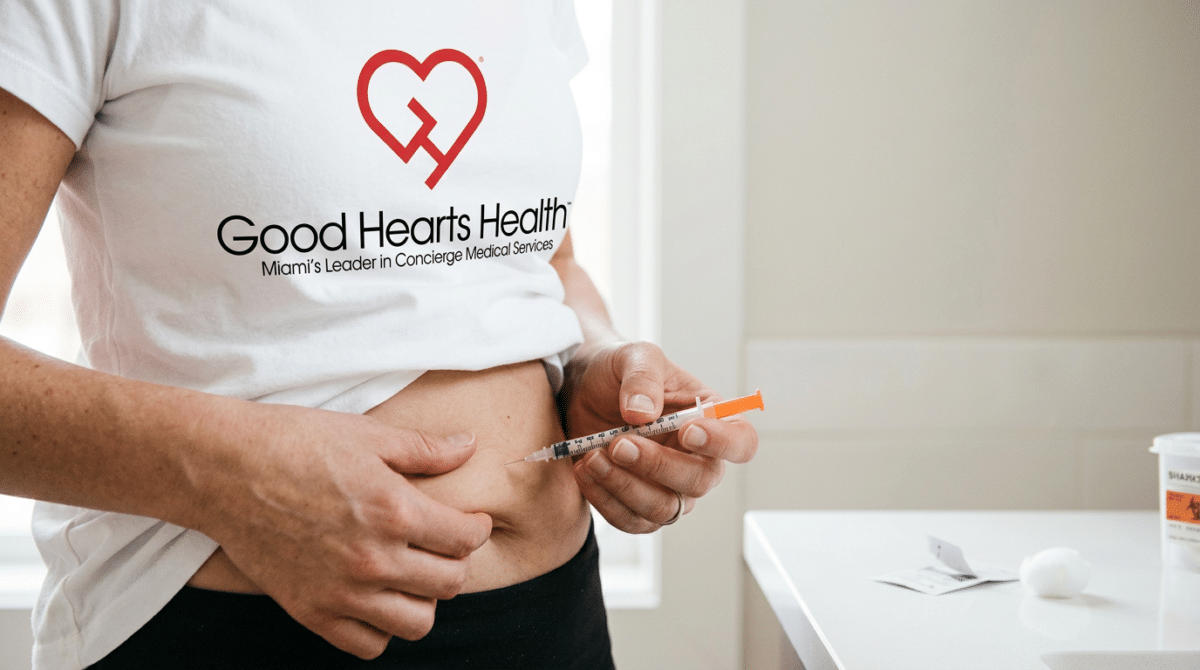
  • Pinch the skin gently and inject at the correct angle to ensure subcutaneous — not intramuscular — delivery.
  • Do not inject into areas of active irritation, redness, bruising, or lipodystrophy.

Ongoing Monitoring

  • Inspect injection sites after every dose for early signs of reaction.
  • Keep a symptom log for the first 8–12 weeks of treatment, noting any skin changes, their timing relative to injections, and their location.
  • Communicate promptly with your healthcare provider about any new or worsening skin symptoms — do not wait until the next scheduled appointment.

For Patients with a Previous Mild Reaction

  • A clinician may recommend premedication with an antihistamine 30–60 minutes before each injection.
  • Switching to a different GLP-1 agent with a different formulation may eliminate the reaction if the trigger is an excipient rather than the peptide class itself.
  • Desensitization protocols are experimental and not standard of care, but may be considered in specialist settings for patients with significant metabolic benefit from the drug.

When Should You Stop Taking a GLP-1 Medication?

Stop the medication and contact your provider if you experience a rash that is rapidly spreading, blistering, or involving mucous membranes; any symptoms of anaphylaxis (airway involvement, hypotension, loss of consciousness); widespread blistering suggestive of bullous pemphigoid; or a rash accompanied by fever, facial swelling, or lymph node enlargement.

For mild injection site reactions alone, you do not need to stop the medication — site rotation and topical care are usually sufficient. Injection site reactions often resolve on their own a few weeks after they initially appear.  I typically do not recommend discontinuing the medication for mild, localized injection site reactions unless they are causing a patient distress due to persistent itching or irritation.  Any side effects should be reported to the physician prescribing you the medication and decisions to discontinue medication should only be made after notifying your physician. 


The Bottom Line

Skin hypersensitivity reactions to GLP-1 medications are real but, in the vast majority of cases, manageable. Mild injection site reactions are common and rarely require stopping treatment. Serious systemic reactions — while medically significant — are uncommon.

The key is awareness: patients and clinicians who know what to watch for can catch reactions early, respond appropriately, and make informed decisions about whether to continue, modify, or discontinue treatment. Given the substantial cardiometabolic benefits of GLP-1 medications, the goal is always to keep patients on therapy safely whenever possible.


Frequently Asked Questions

Q: Can I switch to a different GLP-1 medication if I have a skin reaction?
Yes, in many cases. If the reaction is caused by an excipient rather than the GLP-1 peptide itself, switching formulations may resolve it. However, if the reaction is to the peptide class broadly, cross-reactivity is possible. An allergist can help assess this.

Q: Do you see a higher incidence of Skin Reactions with Tirzepatide compared to Semaglutide?
Yes, localized skin reactions are much more common with Tirzepatide compared to Semaglutide.  While Tirzepatide is a more effective drug in terms of weight loss and generally has a more favorable side effect profile, I do see an increased incidence of localized skin reactions in patients taking Tirzepatide compared to patients taking Semaglutide. 

Q: How long do injection site reactions typically last?
Most resolve within a few hours to days. If a reaction persists beyond a week or worsens, contact your provider.

Q: Can GLP-1 medications cause eczema to flare?
There is limited evidence that GLP-1 agents directly trigger eczema flares, but the immune modulation and skin barrier disruption at injection sites may worsen pre-existing atopic conditions in some patients.

Q: Is bullous pemphigoid permanent?
Not always. In drug-induced cases, discontinuing the offending medication often leads to remission, though treatment is still required while the blistering is active.

Q: Should I carry an EpiPen if I’m on a GLP-1 medication?
Not routinely. Your clinician will advise you on whether your personal risk profile warrants a prescribed epinephrine auto-injector.

Q: Where can I book a consultation with a board certified Obesity Medicine physician and see if GLP-1 therapy for weight loss may be right for me?
You can visit our website and book a free consultation to see if our concierge weight loss program is right for you. 


References & Further Reading


Ready to Start a Physician-Supervised GLP-1 Weight Loss Program?

At Good Hearts Health, Dr. Mario Quiros provides personalized, board-certified concierge weight loss care using FDA-approved Semaglutide and Tirzepatide therapy. If you are considering GLP-1 therapy and want to do so safely — with proper medical oversight and monitoring for reactions like those described above — we are here to help.

Book your free consultation with Good Hearts Health today →

Medically Authored by Dr. Mario Quiros, MD. Board-Certified Emergency Medicine and Obesity Medicine Physician. Owner and Operator of Good Hearts Health.

Hphn2vUw-1200x675.png

Article Summary:

The FDA has officially declared the end of the tirzepatide shortage and semaglutide shortage, meaning that brand-name medications like Mounjaro®/Zepbound® (tirzepatide) and Ozempic®/Wegovy® (semaglutide) are now widely available. This decision impacts compounding pharmacies and outsourcing facilities, which were previously allowed to produce copies of these medications under emergency provisions.


How Compounding Pharmacies Continue to Serve Patients with Unique Needs:

The FDA recently declared the shortages of tirzepatide and semaglutide officially resolved, marking a turning point in the availability of these widely used medications for weight management and type 2 diabetes. While this announcement ensures that FDA-approved products like Mounjaro®/Zepbound® (tirzepatide) and Ozempic®/Wegovy® (semaglutide) are now readily accessible, it also signals a shift in the role of compounding pharmacies and outsourcing facilities. The physicians and pharmacies, which played a critical role during the shortages, are now adapting to continue serving patients with unique healthcare needs through clinically differentiated formulations.


The FDA’s Decision and Its Implications:

The semaglutide and tirzepatide shortages, which began in 2022 due to high demand, initially allowed compounding pharmacies and outsourcing facilities to produce copies of these medications under provisions of Section 503A and 503B of the Federal Food, Drug, and Cosmetic Act. 4

However, the FDA has determined that by December 2024 for tirzepatide and February 2025 for semaglutide, manufacturers will be able to meet national demand, leading to the removal of these drugs from the shortage list.

As a result, compounding pharmacies and outsourcing facilities will no longer be able to produce copies of these drugs under the emergency provisions.123

Specifically:

  • Compounding pharmacies will no longer be able to make copies of semaglutide after April 22, 2025, and tirzepatide after March 19, 2025, unless they can demonstrate a documented clinical difference that addresses specific patient needs, in accordance with Section 503A of the Federal Food, Drug, and Cosmetic Act.
  • Outsourcing facilities will no longer be able to produce semaglutide after May 22, 2025, and tirzepatide after March 19, 2025.

This regulatory shift means that outsourcing facilities can no longer produce these drugs in any form and compounding pharmacies can no longer produce copies of these drugs unless they provide a documented clinical difference that meets specific patient needs under Section 503A of the Federal Food, Drug, and Cosmetic Act.4

Role of Compounding Pharmacies Post-Shortage: 

Even as enforcement tightens, compounding pharmacies remain essential for patients who require customized versions of tirzepatide or semaglutide. Here’s how they continue to make a difference:

Differences in Formulations: 

Compounding pharmacies can continue to legally produce tirzepatide or semaglutide with modifications that address unique patient needs. For example:

  • Adding Active Pharmaceutical Ingredients: Some compounded formulations include niacinamide (a form of vitamin B3), which may offer additional metabolic benefits.

Orally Disintegrating Tablets (ODTs): For patients who struggle with injections or have needle phobia, ODTs may provide a convenient alternative delivery method.48

These modifications are not available in FDA-approved GLP-1 products but may improve treatment adherence and outcomes for certain patients.

Personalized Dosages:

While many commercial products are available in fixed doses, compounded medications can be tailored to provide precise dosages that align with individual medical requirements.

This flexibility is particularly valuable for patients who experience side effects at standard doses or require gradual titration.

To learn more about customized medication dosing book your free consult at:

WWW.GOODHEARTSHEALTH.COM


Challenges Ahead:

Despite their critical role during shortages, compounding pharmacies face increasing scrutiny from regulatory agencies. Both Eli Lilly (maker of Mounjaro®/Zepbound®) and Novo Nordisk (maker of Ozempic®/Wegovy®) have raised concerns about counterfeit or substandard compounded versions of their drugs.1, 8

To address these concerns, compounding pharmacies must continue to prioritize transparency and adherence to legal requirements.


Conclusion:

The resolution of the tirzepatide and semaglutide shortages marks a new chapter in patient care. While FDA-approved products are now widely available, compounding pharmacies remain indispensable for those who require personalized formulations. By offering options like niacinamide-enhanced injections or orally disintegrating tablets, these pharmacies may help ensure that personalized care remains accessible to all patients. As the healthcare landscape evolves, compounding pharmacies will continue to adapt, demonstrating their commitment to meeting unique patient needs while adhering to high standards of safety and quality.


References:

1. https://www.healio.com/news/endocrinology/20241220/fda-confirms-end-of-tirzepatide-shortage

2. https://www.bipc.com/fdas-removal-of-semaglutide-and-the-evolving-tirzepatide-decisions-what-compounders-need-to-know

3. https://www.healio.com/news/endocrinology/20250221/fda-removes-semaglutide-from-drug-shortage-list

4. https://www.techtarget.com/pharmalifesciences/feature/Understanding-tirzepatide-compounding-restrictions

5. https://time.com/6301552/weight-loss-drugs-compounding-pharmacies/

6. https://ncpa.org/newsroom/qam/2025/03/13/fda-ends-compounding-discretion-tirzepatide-maintains-discretion

7. https://www.mwe.com/insights/semaglutide-shortage-resolved/

8. https://www.medpagetoday.com/special-reports/exclusives/111577

9. https://www.yahoo.com/lifestyle/millions-of-people-are-taking-compounded-weight-loss-drugs-now-theyre-about-to-disappear-202621562.html

10. https://www.blogs.joinmochi.com/blogs/tirzepatide-vs-semaglutide

11. https://qz.com/ozempic-glp1-shortage-compounded-tirzepatide-1851769293

12. https://www.fiercepharma.com/pharma/compounders-sue-fda-again-over-declaring-end-shortage-novos-semaglutide

13. https://abcnews.go.com/GMA/Wellness/compound-versions-weight-loss-drugs-longer-fda-rules/story?id=119665010

14. https://www.drugs.com/medical-answers/you-tirzepatide-compounding-pharmacy-3575862/

15. https://newdrugloft.com/tirzepatide-injections-an-alternative-to-compounded-semaglutide/

16. https://www.cbsnews.com/news/fda-declares-end-to-wegovy-and-ozempic-shortage/

17. https://www.pharmacytimes.com/view/fda-ends-semaglutide-shortage-listing-contributing-to-ongoing-legal-challenges

18. https://sesamecare.com/blog/semaglutide-shortage


Ready to Start a Physician-Supervised GLP-1 Weight Loss Program?

At Good Hearts Health, Dr. Mario Quiros provides personalized, board-certified concierge weight loss care using FDA-approved Semaglutide and Tirzepatide therapy. If you are considering GLP-1 therapy for weight loss, we offer a free initial consultation to see if our program is right for you.

Book your free consultation with Good Hearts Health today →


Untitled-design-32-1200x1200.png

Medically authored by Dr. Mario Quiros, MD — Diplomate of the American Board of Obesity Medicine | Good Hearts Health | Last medically reviewed: June 2026

“How many milligrams do I take?” and “How do I measure that in units on a syringe?” — these are questions I answer every single day in my weight loss practice. If you’re taking compounded semaglutide or tirzepatide for weight loss, understanding your exact dose is critical for both safety and results.

This complete semaglutide and tirzepatide dosing guide covers everything: how doses are measured in milligrams, how to convert mg to mL, and exactly how many units to draw on an insulin syringe — including the specific dosing schedules we use at Good Hearts Health.


What Are Semaglutide and Tirzepatide?

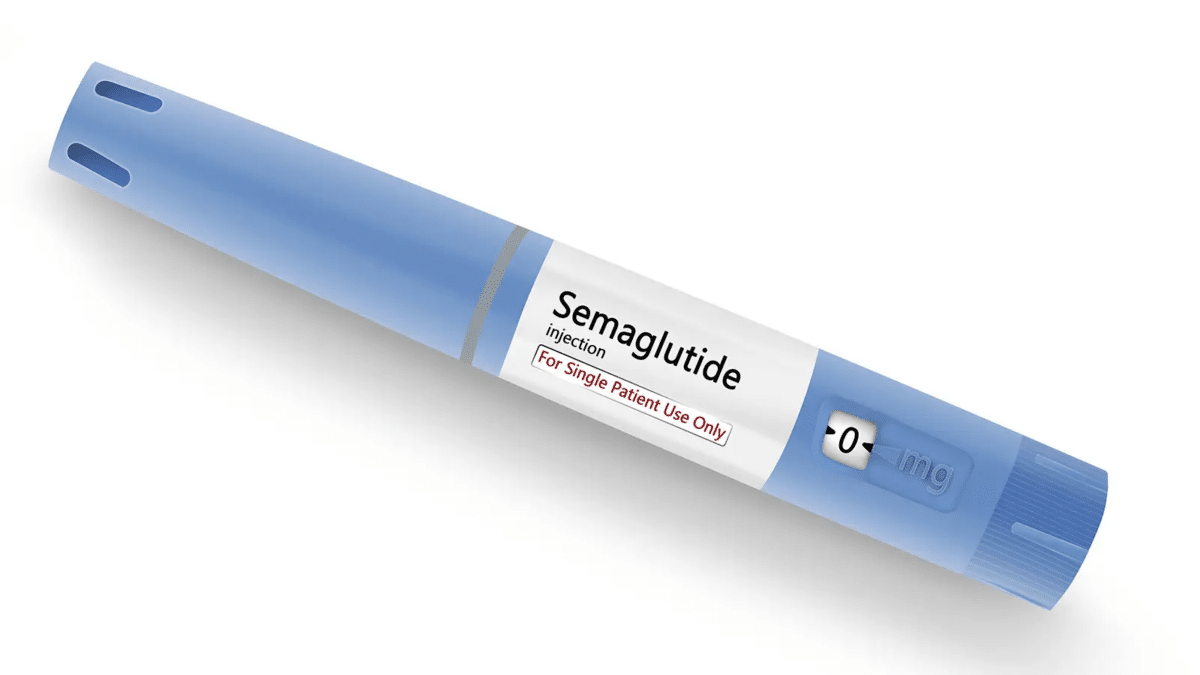
Semaglutide and tirzepatide are GLP-1 receptor agonists (tirzepatide also targets GIP receptors) approved for weight management and type 2 diabetes. Compounded versions of both medications are prescribed by weight loss physicians and dosed via weekly subcutaneous injection using a standard U-100 insulin syringe.


What Is Your Semaglutide or Tirzepatide Dose in Milligrams?

Both Semaglutide and Tirzepatide are dosed in milligrams (mg). You should always start on the lowest dose and titrate upward based on three key factors:

1. How Long Have You Been at Your Current Dose?

It is recommended that you stay at each dose for a minimum of 4 weeks before increasing. This allows your body to acclimate to the medication and prevents side effects that can occur from increasing the dose too quickly.

2. Are You Experiencing Side Effects?

If you are having side effects at your current dose, do not increase your dosage until those side effects have resolved. Increasing too soon will likely make them worse.

3. Are You Losing Weight?

I recommend a consistent weight loss of 1.5 to 2 lbs per week as a target. If you are hitting this consistently, there is no need to increase your dose. I only recommend a dosage increase if weight loss falls below this threshold or you hit a plateau.


How to Convert Your Semaglutide or Tirzepatide Dose from mg to Units

Every compounded medication has a concentration expressed in mg/mL — meaning how many milligrams of the drug are dissolved in 1 mL of liquid. Every 1 mL equals 100 units on an insulin syringe.

Once you know your concentration and your desired dose in mg, you can calculate exactly how many units to draw up.

The Formula: mg to mL

Desired dose (mg) ÷ Concentration (mg/mL) = Volume to inject (mL)

Example — Semaglutide starting dose:
0.25 mg ÷ 5 mg/mL = 0.05 mL

Converting mL to Units on a Syringe

To convert mL to units, multiply by 100:

0.05 mL × 100 = 5 units

So a 0.25 mg dose of Semaglutide (5 mg/mL concentration) = 5 units on an insulin syringe.


How to Calculate Your Dose in mg If You Only Know Your Units

This is one of the most common questions I get from patients who are new to my practice or transferring from another provider. Many patients are told how many units to inject but don’t know what that equals in milligrams.

The Formula: Units to mg

(Units ÷ 100) × Concentration (mg/mL) = Dose in mg

Example — Tirzepatide patient taking 44 units at 17 mg/mL:
(44 ÷ 100) × 17 mg/mL = 7.5 mg

So 44 units of Tirzepatide at 17 mg/mL = 7.5 mg of the medication.


Good Hearts Health Dosing Schedules

The following are the dosing guidelines I use for patients at Good Hearts Health, based on the specific concentrations of Semaglutide and Tirzepatide we currently prescribe.

Starting dose for Semaglutide: 0.25 mg weekly = 5 units (0.05 mL) on the insulin syringe provided.
Starting dose for Tirzepatide: 2.5 mg weekly = 15 units (0.15 mL) on the insulin syringe provided.

Semaglutide Dosing Schedule (5 mg/mL Concentration)

Dose (mg) Units on Syringe Duration
0.25 mg 5 units 2–4 weeks
0.5 mg 10 units 4 weeks
1.0 mg 20 units 4 weeks
1.7 mg 34 units 4 weeks
2.4 mg 48 units 4 weeks

Tirzepatide Dosing Schedule (17 mg/mL Concentration)

Dose (mg) Units on Syringe Duration
2.5 mg 15 units 2–4 weeks
5.0 mg 30 units 4 weeks
7.5 mg 45 units 4 weeks
10.0 mg 60 units 4 weeks
12.5 mg 74 units 4 weeks
15.0 mg 88 units 4 weeks

Important reminder: The goal is always the lowest effective dose. If you are tolerating the medication well and losing 1.5–2 lbs per week consistently, there is no reason to increase your dose. Only consider increasing after 4 weeks at your current dose if weight loss has plateaued.


Frequently Asked Questions About Semaglutide and Tirzepatide Dosing

Q: How do I know if my Semaglutide dose is working?
A consistent weight loss of 1.5–2 lbs per week indicates your dose is effective. If you are losing weight steadily, stay at your current dose — more is not always better.

Q: What happens if I increase my dose too quickly?
Increasing your dose before your body has acclimated increases the risk of side effects including nausea, vomiting, and GI discomfort. Always stay at each dose for at least 4 weeks.

Q: Can I calculate my Tirzepatide dose in units at home?
Yes. Use this formula: (Units ÷ 100) × Concentration (mg/mL) = Dose in mg. You will need to know the concentration of your specific medication vial.

Q: What concentration of Semaglutide does Good Hearts Health prescribe?
Good Hearts Health prescribes Semaglutide at 5 mg/mL and Tirzepatide at 17 mg/mL. If you are using medication from a different provider, confirm your concentration before calculating your dose.

Q: Is Tirzepatide dosed differently than Semaglutide?
Yes. While both medications are dosed in mg, Tirzepatide has a different concentration and dosing schedule. Always follow the schedule specific to your medication and concentration.


Q: How many units is 0.25 mg of semaglutide?
At a concentration of 5 mg/mL (the concentration used at Good Hearts Health), 0.25 mg of semaglutide equals 5 units on an insulin syringe. If your vial has a different concentration, divide 0.25 by your concentration and multiply by 100.

Q: How many units is 2.5 mg of tirzepatide?
At a concentration of 17 mg/mL (the concentration used at Good Hearts Health), 2.5 mg of tirzepatide equals approximately 15 units. Concentrations vary by pharmacy — always verify your specific vial.

Q: What syringe should I use for compounded semaglutide or tirzepatide?
Use a standard U-100 insulin syringe. Every 1 mL on a U-100 syringe equals 100 units, which is the basis for all unit calculations in this guide.

Final Thoughts from Dr. Q

One of my mentors used to tell me, “Life is complicated, but medicine makes sense!” I hope this guide on Semaglutide and Tirzepatide dosing has made things a little clearer. Understanding your dose — in mg, mL, and units — puts you in control of your weight loss journey and helps you use these powerful medications safely and effectively.

If you have any questions about your specific dosing, please don’t hesitate to reach out to our team at Good Hearts Health.


Additional Resources

Medically authored by Dr. Mario Quiros, MD. Diplomate of the American Board of Obesity Medicine. Owner and Operator of Good Hearts Health.

Ready to Start a Physician-Supervised GLP-1 Weight Loss Program?

At Good Hearts Health, Dr. Mario Quiros provides personalized, board-certified concierge weight loss care using FDA-approved Semaglutide and Tirzepatide therapy. If you are considering GLP-1 therapy for weight loss, we offer a free initial consultation to see if our program is right for you.

Book your free consultation with Good Hearts Health today →


July-2-Telescopes-RT-Dedeng-438-2-1-1200x800.jpg

One of the most common questions I get from patients starting GLP-1 therapy with Tirzepatide (Mounjaro/Zepbound) or Semaglutide (Ozempic/Wegovy) is: “What type of exercise should I be doing while on GLP-1 medication?”

The short answer: strength and resistance training should be your first priority. Here’s why — and how to structure your routine for the best results.

Understanding the Main Types of Exercise

Before making a recommendation, it helps to understand how the four main categories of exercise work and what each one does for your body.

Aerobic Exercise

Aerobic exercise — also called cardio — includes walking, jogging, hiking, swimming, and cycling. These activities use oxygen to fuel your muscles, elevate your heart rate, and improve breathing over a sustained period.

Benefits of aerobic exercise:

  • Improves cardiovascular fitness and heart health
  • Lowers blood pressure
  • Boosts energy levels
  • Burns calories effectively during the activity

Aerobic exercise is generally lower in intensity and longer in duration than anaerobic exercise, and is commonly associated with calorie burning and weight loss.

Anaerobic (Strength & Resistance) Exercise

Anaerobic exercise — including weightlifting, sprinting, HIIT, jumping, and plyometrics — uses energy stored directly in muscles rather than relying on oxygen.

Benefits of anaerobic exercise:

  • Increases muscle mass and strength
  • Improves insulin sensitivity (something GLP-1 medications like Semaglutide and Tirzepatide also support)
  • Decreases risk of osteoporosis
  • Prevents cardiac aging
  • Lowers cardiovascular risk
  • Increases metabolism and resting metabolic rate

Flexibility & Balance Exercise

Flexibility exercises (yoga, stretching) and balance training (tai chi, single-leg work) round out a complete fitness routine. While critical for injury prevention and functional fitness, they are less central to the weight loss goals most GLP-1 patients are working toward.

What Exercise Is Best for Weight Loss and Weight Maintenance?

Exercise is important for weight loss — and even more important for long-term weight maintenance — but the effects of exercise alone on weight loss are modest compared to diet. The most important driver of weight loss is maintaining a caloric deficit over time.

For most patients, a daily deficit of 500–750 calories is the recommended range, producing a healthy, sustainable weight loss of approximately 1.5–2 lbs per week — the target I set for my patients.

This is exactly where GLP-1 medications like Tirzepatide and Semaglutide shine. By suppressing appetite and reducing portion sizes, they make it far easier to consistently run that caloric deficit. Combined with metabolic benefits, your body turns to existing fat reserves for energy — and the weight comes off.

What Exercise Does Dr. Quiros Recommend for Patients on GLP-1 Therapy?

My recommendation: prioritize strength and resistance training. Specifically, I recommend 30–45 minutes per day, 3–4 days per week as a starting baseline.

If you enjoy aerobic exercise, absolutely keep it in your routine — but treat it as secondary to strength training while you are on Semaglutide or Tirzepatide. Here’s why:

1. Optimize Your Body Composition

The caloric deficit produced by GLP-1 medications is more than enough to drive significant weight loss. The question isn’t whether you’ll lose weight — it’s how you lose it.

When you lose weight rapidly without resistance training, your body can break down muscle along with fat. By incorporating strength training, you signal to your body to preserve existing muscle mass and, ideally, build more. This protects your lean mass, increases your fat-burning rate, and leads to a healthier body composition overall.

2. Protect and Increase Your Metabolism

Prolonged caloric deficits can slow your metabolism as your body adapts to using less energy — one of the key reasons patients hit a weight loss plateau. Regular strength and resistance training counteracts this by building muscle, which is metabolically active tissue. More muscle = higher resting metabolic rate = continued fat burning even at rest.

3. Reduce Your Risk of Osteoporosis

Clinical trials for both Semaglutide and Tirzepatide identified bone density loss as a potential side effect. This is especially relevant for women over 65 and postmenopausal patients. Some degree of bone density loss naturally accompanies weight loss — as your skeleton is no longer bearing as much load — but excessive loss can become clinically significant.

Resistance training directly counteracts this by placing mechanical stress on bones, which stimulates bone formation and helps prevent bone loss. Put simply: lifting weights builds stronger bones, not just stronger muscles.

Summary: Aerobic vs. Anaerobic Exercise on GLP-1 Therapy

Aerobic (Cardio) Anaerobic (Strength Training)
Examples Walking, cycling, swimming Weightlifting, HIIT, plyometrics
Calorie burn High during activity Elevated long after activity
Muscle preservation Low High
Bone density Moderate benefit Strong benefit
Metabolic impact Moderate High
Priority on GLP-1 Secondary Primary

Frequently Asked Questions

Can I do cardio while on GLP-1 medication?

Yes — cardio is healthy and beneficial. Just make it secondary to strength training, not the other way around.

How soon after starting GLP-1 therapy should I begin exercising?

As soon as you feel ready. Start with lighter resistance and shorter sessions if needed, and build gradually over the first few weeks.

Will I lose muscle on GLP-1 medications?

You can, if you’re not doing resistance training. That’s exactly why it’s the centerpiece of my exercise recommendation for GLP-1 patients.


This post was prepared by:

Dr. Mario I. Quiros
Good Hearts Health — Owner and Founder
Diplomate of the American Board of Obesity Medicine

Further Reading


Ready to Start a Physician-Supervised GLP-1 Weight Loss Program?

At Good Hearts Health, Dr. Mario Quiros provides personalized, board-certified concierge weight loss care using FDA-approved Semaglutide and Tirzepatide therapy. If you are considering GLP-1 therapy for weight loss, we offer a free initial consultation to see if our program is right for you.

Book your free consultation with Good Hearts Health today →


Copyright by VMG 2026. All rights reserved.


Copyright by VMG 2024. All rights reserved.