Medically authored by Dr. Mario Quiros, MD — Board-Certified Emergency Medicine & Obesity Medicine Physician | Good Hearts Health
Hair loss or thinning is a relatively common and concerning side effect for patients taking GLP-1 Medications. Patients often reach out feeling both distressed and confused and looking for guidance as to why this is occurring. They want to know if the hair loss is permanent and what they can do in order to slow down or reverse the process. There is typically a misunderstanding as to what exactly is causing the hair loss and they want to know if it is a direct side effect of the medication or part of the weight loss process more generally.
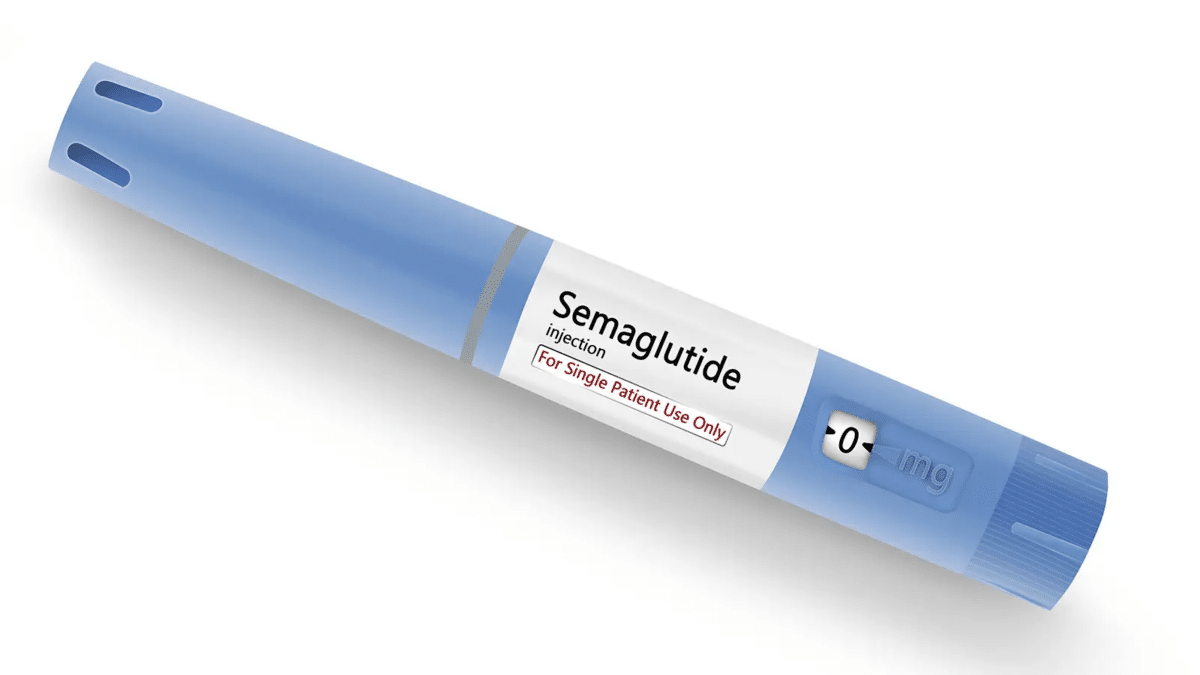
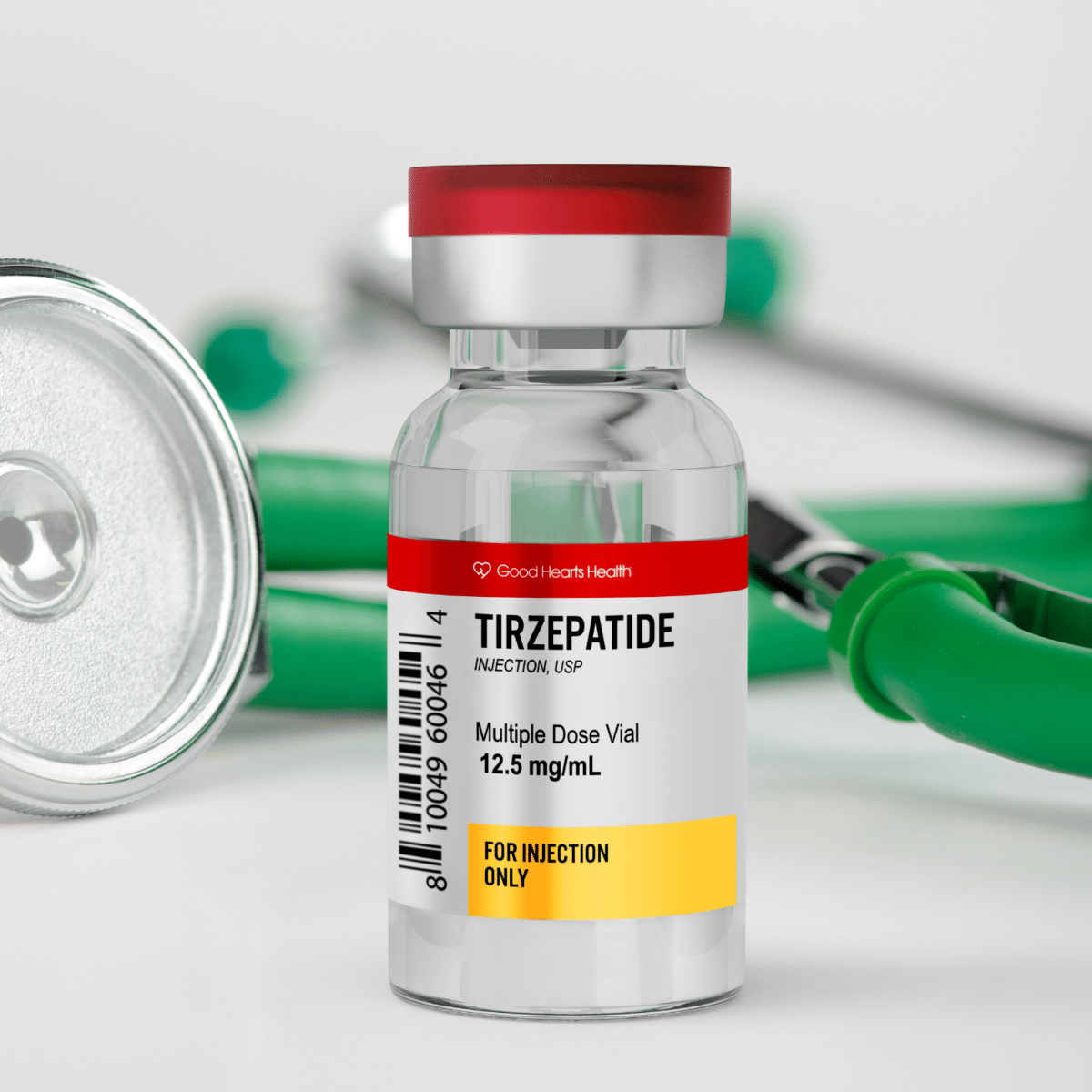
GLP-1 therapy associated hair loss is rarely caused by the medication itself. In the overwhelming majority of cases, hair loss on semaglutide or tirzepatide is your body’s reaction to rapid weight loss and caloric restriction — not a direct toxic effect of the drug. That distinction matters because it changes how you think about prevention. It also means this type of hair loss is typically temporary and reversible.
This guide covers what is actually causing the shedding, how common it really is, and which patients are most at risk. It also covers strategies ranging from diet optimization, pacing of weight loss, supplement usage, and prescription medications that can meaningfully reduce your risk and speed your regrowth.
What’s Actually Causing the Hair Loss: The Drug or the Deficit?
To understand GLP-1-related hair loss, you need to understand a condition called telogen effluvium (TE) — and it has nothing to do with your hair follicles being damaged.
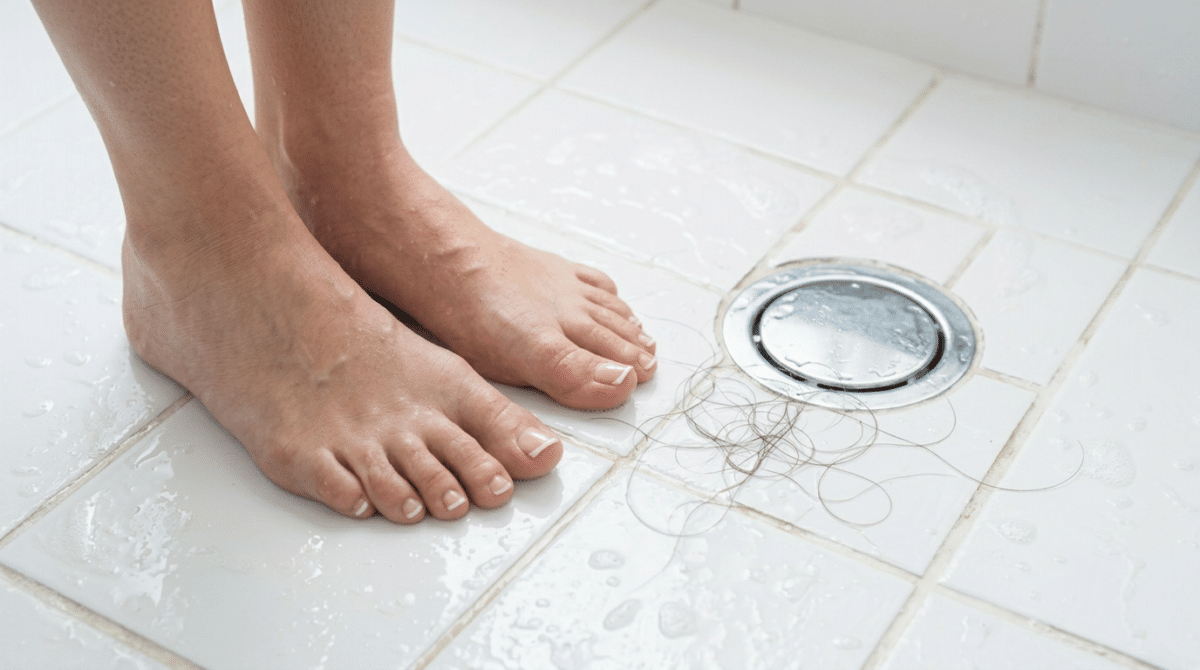
At any given time, roughly 85–90% of your scalp hair is in an active growth phase called anagen, while the remaining 10–15% has entered a resting phase called telogen, before shedding naturally. When your body experiences a significant physiological stressor — rapid weight loss, a caloric deficit, illness, surgery, or severe nutritional shortfall — it can push a much larger percentage of hairs into that resting phase all at once. Two to four months later, those hairs shed together, producing the diffuse thinning and increased shedding patients notice in the shower drain and hairbrush.
The evidence increasingly points to caloric deficit and rapid fat loss — not the GLP-1 molecule itself — as the primary driver:
- Caloric and nutritional stress is the leading mechanism. A 2026 systematic review published in Science Progress concluded that substantial caloric restriction and rapid adipose loss can precipitate telogen effluvium through transient deficiencies in protein, iron, and zinc — and that tirzepatide, which produces greater average weight loss than semaglutide, is associated with correspondingly higher rates of reported hair loss.
- Hormonal shifts may play a secondary role. Rapid fat loss can transiently increase bioavailable testosterone, which in genetically susceptible patients may accelerate follicle miniaturization and unmask androgenetic (pattern) hair loss that was already present but not yet visible.
- GLP-1 itself does not appear to directly damage follicles. Some research suggests GLP-1 receptors present in skin may actually support hair growth through the Wnt/β-catenin signaling pathway — the opposite of what you’d expect if the drug were directly toxic to hair. This further supports the deficit, not the drug, as the culprit.
- Additional physiologic stressors compound the effect. Nausea, vomiting, reduced appetite, dehydration, and poor sleep — all common early on GLP-1 therapy — add their own stress signals on top of the caloric deficit itself.
In short: if you are losing weight quickly and eating significantly less than before, your body is undergoing the same stress response it would experience from crash dieting, bariatric surgery, or a severe illness — GLP-1 medications are simply an unusually effective way of getting you there.
How Common Is GLP-1 Hair Loss?
Hair loss is a real, measurable side effect — but it is far from universal, and the numbers vary meaningfully by medication, dose, and how much weight a patient loses.
| Trial / Data Source | Medication | Reported Hair Loss |
|---|---|---|
| SURMOUNT-1 (5–15mg doses) | Tirzepatide | 4.9–5.7% vs. 0.9% placebo |
| SURMOUNT-3 | Tirzepatide | 7.0% vs. 1.4% placebo |
| OASIS-1 (50mg oral) | Semaglutide | 7.0% vs. 3.0% placebo |
| STEP program (2.4mg subcutaneous) | Semaglutide | ~3.0% vs. 1.0% placebo |
| Meta-analysis, GLP-1 RA class-wide | Class-wide | 6.0 per 1,000 patient-years vs. 0.8 per 1,000 patient-years (placebo) |
A large 2026 real-world cohort study using the TriNetX database compared nearly 550,000 GLP-1 users to a matched control group and found the risk climbs the longer patients stay on therapy: at 12 months, the odds of telogen effluvium were 76% higher, and the odds of androgenetic alopecia were 64% higher, compared to non-users.
The clearest predictor by far is how much weight you lose, not which drug you take. In the same body of research, patients who lost more than 20% of their starting body weight had a hair loss incidence of roughly 5.3%, compared to about 2.5% in patients who lost less than 20%. A separate retrospective study found the average threshold for triggering telogen effluvium was around 15% total body weight lost, at a pace of roughly 3.5 kg (about 7.7 lbs) per month.
When Does It Happen? The Delay Between Weight Loss and Hair Loss
This is the piece that catches most patients off guard: hair loss on GLP-1 therapy is a delayed reaction, not an immediate one. Because of how the hair growth cycle works, there is typically a lag of two to three months between the physiological trigger (the steepest phase of your caloric deficit and weight loss) and the point at which you actually notice increased shedding.
Putting the timeline together from the available data:
- Weeks 1–8 on therapy: Appetite suppression begins, calorie intake drops, and weight loss accelerates. Hair still looks normal — the follicles have already been pushed into the resting phase, but shedding hasn’t started yet.
- Roughly 6–12 weeks after the deficit begins: This is when most patients first notice increased shedding — in the shower, on the pillow, or in the hairbrush. Peak shedding is most commonly reported between 12 and 20 weeks into treatment, which typically overlaps with the phase of most active weight loss and dose escalation.
- Months 3–9: Shedding is heaviest during whatever period produced the most rapid weight loss. Patients who lose weight quickly in the first few months and then plateau tend to see shedding concentrate in that same early window, three or so months later.
So to directly answer a question I get constantly: hair loss is most common not while you’re simply “on” a GLP-1 medication, but specifically during the window that follows your steepest, most rapid rate of weight loss — usually the first several months of treatment or any period of aggressive dose escalation.
Who Is Most at Risk?
In my practice, and in the research, certain patients are disproportionately affected:
- Women. This is the single strongest demographic pattern in the data — in the SURMOUNT program, 7.1% of women on tirzepatide reported hair loss compared to just 0.5% of men. Women also tend to run closer to iron and ferritin deficiency at baseline, which compounds the risk.
- Patients losing weight rapidly or in large amounts. Anyone losing more than 15–20% of body weight, or losing weight faster than roughly 1–1.5% of body weight per week, is at meaningfully higher risk.
- Patients on tirzepatide or higher doses. Because tirzepatide tends to produce greater average weight loss than semaglutide, and higher doses of either drug produce more weight loss than lower doses, the hair loss risk tracks upward with dose and with the medication’s overall potency.
- Anyone with a personal or family history of androgenetic (pattern) hair loss. Rapid weight loss can unmask or accelerate pattern hair loss that was already genetically “primed” but not yet visibly active.
- Patients with significant GI side effects. Ongoing nausea, vomiting, or poor appetite reduces intake of protein and micronutrients well beyond what the caloric deficit alone would cause — see our guide on managing GI side effects like sulfur burps on GLP-1 medications for more.
- Older adults. Research on weight-loss-related telogen effluvium specifically notes that women and older adults are disproportionately vulnerable, even at the same percentage of weight lost as younger or male patients.
- Patients with pre-existing nutritional gaps — restrictive dieters, previous bariatric surgery patients, and anyone entering treatment with low iron, vitamin D, or protein intake.
Diet Strategies to Protect Your Hair While Losing Weight
The single most protective thing you can do is simple to state and hard to execute while your appetite is suppressed: eat enough protein, every day, without exception.
- Hit 1.2–1.6 grams of protein per kilogram of body weight daily (up to 2.0 g/kg if you’re resistance training or carrying significant excess weight). Hair is made almost entirely of a protein called keratin — when intake drops, your body deprioritizes hair production in favor of more immediately essential functions.
- Eat protein first at every meal. Because GLP-1 medications shrink the amount of food you can comfortably eat, whatever you eat first should be the most nutritionally dense. Prioritize eggs, poultry, fish, Greek yogurt, cottage cheese, lean beef, and legumes before reaching for anything else on the plate.
- Don’t under-eat on top of the medication. GLP-1 drugs already create a substantial caloric deficit on their own. Stacking an aggressive diet or additional calorie restriction on top of that effect is the single fastest way to trigger significant telogen effluvium.
- Treat nausea and GI symptoms proactively. If vomiting, reflux, or nausea are limiting what you can keep down, talk to your provider about dose pacing, timing, or anti-nausea strategies — this isn’t just about comfort, it directly protects your nutritional intake.
- Stay hydrated. Dehydration compounds physiologic stress and is common on GLP-1 therapy due to slowed gastric emptying and reduced fluid intake alongside reduced food intake.
- Favor whole foods over processed ones. When you are eating less overall, every calorie needs to work harder nutritionally. A 300-calorie serving of processed food delivers a fraction of the protein, iron, zinc, and B vitamins that whole food sources provide.
For a complete breakdown of protein targets, macros, and how to build every meal around GLP-1 therapy, see our full guide: The Ideal Diet for GLP-1 Medication Patients.
Does Your Rate of Weight Loss Matter?
Yes — significantly. The data on this is some of the clearest in the entire hair loss conversation: it is not simply GLP-1 exposure that drives hair loss, it is the speed and magnitude of weight loss.
Patients who lose more than 20% of their body weight have roughly double the hair loss incidence of those who lose less than 20% (5.3% vs. 2.5%). Separately, a retrospective study identified an average trigger point of about 15% total body weight lost at a pace near 3.5 kg (7.7 lbs) per month.
Translating that into practical guidance, I counsel patients to aim for:
- A weight loss pace of roughly 0.5–1% of body weight per week — for a 200 lb patient, that’s about 1–2 lbs per week, which aligns with standard, evidence-based obesity medicine guidance even outside the hair loss conversation.
- Gradual dose escalation rather than rushing to the highest tolerated dose. Slower titration schedules produce a steadier, more gradual rate of weight loss and give your nutritional intake time to adjust.
- Avoiding “stacking” interventions — don’t combine an aggressive low-calorie diet, intense caloric restriction, or extreme exercise regimens with GLP-1 therapy simultaneously. Let the medication do the work at a physiologically reasonable pace.
Faster is not better here. Pairing a controlled pace with resistance training helps preserve muscle further — see Best Exercise on GLP-1 Therapy. Patients who lose weight in a controlled, steady fashion tend to preserve more lean muscle mass and more hair density than patients who lose the same total amount of weight faster.
Micronutrients and Supplements: Test Before You Supplement
Nutritional deficiency is one of the most correctable pieces of this entire picture — but blanket supplementation without testing is not the answer. Here is what the evidence actually supports:
- Iron / ferritin. This is the single most important lab to check. Standard lab reference ranges list “normal” ferritin as low as 12–15 ng/mL, but the threshold associated with healthy hair growth is considerably higher — generally cited between 50–70 ng/mL, with some data suggesting benefit up to 100 ng/mL. If you’re shedding and your ferritin is under 50, this is often the single most fixable piece of the puzzle.
- Zinc. Associated with hair loss primarily at true deficiency levels. Do not supplement blindly — excess zinc can itself cause hair shedding and interferes with copper absorption. Test first.
- Vitamin D. Deficiency is extremely common in patients with hair loss (reported in roughly half of cases across several studies) and is worth checking as part of any workup. Supplementation alone shows modest benefit, but combined with other therapies it meaningfully improves outcomes.
- Vitamin B12 and folate. Particularly relevant if red meat and animal protein intake has dropped substantially since starting therapy.
- Biotin — manage expectations. Biotin is the most heavily marketed hair supplement, but true biotin deficiency is uncommon, and the best-quality placebo-controlled research has not shown a benefit over placebo in the absence of documented deficiency. High-dose biotin (10mg+ daily) can also falsely skew thyroid lab results, which matters if your provider is also checking your TSH. I don’t routinely recommend it.
- Protein and collagen intake. Directly supports keratin production; this is nutrition, not a supplement fad, and it’s the single highest-yield intervention on this entire list.
- Omega-3 fatty acids. Support scalp health and reduce inflammation; aim for fatty fish two to three times weekly or a quality supplement if intake is low.
For patients who fall in to a higher risk category I will often recommend Nutrafol as a vitamin supplement to preemptively try and mitigate hair loss/shedding while on the medication. This works best when combined with a structured weight loss program and appropriate nutrition. For lower risk patients or patients who want to take a more conservative approach, I recommend getting a comprehensive metabolic panel and micronutrient bloodwork (CBC, ferritin, TSH, vitamin D, B12, zinc) every six months on long-term GLP-1 therapy or at the first sign of noticeable shedding. We then would treat any micronutrient deficiencies addressed through targeted and appropriate supplementation.
Prescription Options That Can Help
For most patients, telogen effluvium resolves on its own once weight stabilizes and nutrition catches up. But for patients who want to actively support regrowth, or who have an unmasked pattern hair loss component, several evidence-based prescription options exist:
- Topical minoxidil (2% or 5%). The best-studied, first-line option for both telogen effluvium and androgenetic alopecia. It shifts follicles into the active growth phase and increases scalp blood flow. Available over the counter but I recommend guided use, since consistent daily application for several months is required before results appear.
- Low-dose oral minoxidil (LDOM). An increasingly popular off-label alternative to the topical formulation, particularly for patients who find the topical solution messy or irritating. It requires a prescription and a quick review of cardiovascular history and blood pressure before starting.
- Spironolactone combined with low-dose oral minoxidil. For women with a pattern-hair-loss component (thinning concentrated at the part line or crown), this combination — an anti-androgen paired with LDOM — has shown good efficacy and tolerability in recent dermatology cohort studies. This is a prescription-only combination that requires physician supervision.
- Finasteride (topical or low-dose oral). Primarily used for male-pattern hair loss by reducing DHT, though it is sometimes used off-label in select postmenopausal women under dermatologic supervision. Not appropriate for women who are or may become pregnant.
- When to see a dermatologist. If shedding persists beyond six to nine months, if you notice patterned thinning rather than diffuse shedding, or if there’s any scalp inflammation or scarring, it’s time for a dermatology referral rather than continued watchful waiting.
The Regrowth Timeline: How Long Until It Grows Back
This is the question every patient really wants answered, and the good news is straightforward: telogen effluvium from GLP-1-related weight loss is, in the overwhelming majority of cases, fully reversible. There is no strong evidence of permanent follicular damage from GLP-1 medications themselves.
The timeline generally follows this pattern once you move from active weight loss into a caloric-neutral, weight-maintenance phase:
- Shedding slows within 3–6 months of your weight and intake stabilizing. Because hair loss is a delayed reaction to a stressor, shedding won’t stop the instant you hit maintenance — it stops once the follicles that were pushed into the resting phase during active weight loss finish their cycle and shed out.
- New growth becomes noticeable around 4–6 months after shedding slows, as new hairs enter the anagen (growth) phase and begin pushing through.
- Cosmetically meaningful fullness typically returns by 12–18 months after the trigger resolves. Hair grows at roughly half an inch per month, so rebuilding visible density simply takes time — there is no way to meaningfully accelerate the biological growth rate itself, only to make sure the follicles have what they need (protein, iron, a stable weight) to do their job.
The most important variable you control is reaching a stable, caloric-neutral maintenance phase as intentionally as possible, rather than cycling repeatedly between aggressive deficits and rebounds — each new deficit essentially restarts the shedding clock.
Dr. Q’s Take
The fact that you are experiencing hair loss while on a GLP-1 medication almost always means your body is under real physiologic stress from how quickly you’re losing weight. This is useful information, not just a cosmetic inconvenience to power through. When I see a patient with significant shedding, my first course of action is not typically prescription medication. This is a signal to reassess our treatment course, to a look at the patients nutritional status and protein intake, to re evaluate the patients rate of weight loss, and possibly order a basic set of labs to look for micronutrient deficiencies.
The patients who navigate this best are the ones who slow down slightly, prioritize protein even in a caloric restricted state, and treat their micronutrient deficiencies. Hair loss on GLP-1 therapy is almost never a reason to stop an otherwise effective medication — it’s a signal to adjust pace and nutrition. GLP-1 therapy is an incredibly effective weight loss intervention, but just like any therapeutic intervention it comes with its own set of risks and side effects. My treatment philosophy is based on regular patient check in’s, dosing protocols tailored to the patients rate of weight loss and side effects, and supplemental lifestyle and medical interventions when they are indicated. Medication assisted weight loss is not one size fits all. Working with a board certified Obesity Medicine Physician is critical in ensuring successful treatment outcomes, optimizing weight loss and mitigating any potential negative side effects associated with GLP-1 assisted weight loss.
Frequently Asked Questions About GLP-1 Hair Loss
Q: Is hair loss from GLP-1 medications permanent?
No. The overwhelming majority of cases are telogen effluvium, a temporary and fully reversible shedding pattern. There is no strong evidence that semaglutide or tirzepatide cause permanent follicular damage.
Q: How long after starting a GLP-1 medication does hair loss start?
Most patients notice increased shedding roughly two to three months after their most rapid phase of weight loss begins, with peak shedding commonly reported between 12 and 20 weeks into treatment.
Q: Will hair loss stop if I keep losing weight?
Not necessarily. Ongoing rapid weight loss can prolong or restart the shedding cycle. Shedding typically slows once you reach a stable, caloric-neutral maintenance phase — not simply once you’ve lost a target amount of weight.
Q: Should I stop my GLP-1 medication if I’m losing hair?
In most cases, no — this should be a conversation with your prescribing provider rather than a decision made alone. Slowing your rate of weight loss, correcting nutritional gaps, and optimizing protein intake is usually the better first step.
Q: Does tirzepatide cause more hair loss than semaglutide?
Reported rates are somewhat higher with tirzepatide, but this largely tracks with the fact that tirzepatide tends to produce greater average weight loss than semaglutide — the amount of weight lost appears to be the stronger driver than the specific medication.
References & Further Reading
- Gupta AK, Teasell EM, Economopoulos V, Mirmirani P. GLP-1 therapies and hair loss: A systematic review of current evidence and implications for counseling. Science Progress. 2026.
- Increased Incidence and Risk of Hair Loss with Glucagon-like Peptide 1 Receptor Agonists: A Real-World Multicentre Cohort Study. European Medical Journal — Dermatology. 2026.
- Buontempo F, et al. Exploring the hair loss risk in glucagon-like peptide-1 agonists: Emerging concerns and clinical implications. Journal of the European Academy of Dermatology and Venereology. 2025.
- Telogen Effluvium Associated With Weight Loss: A Single Center Retrospective Study. Annals of Dermatology. 2024.
- Almohanna HM, Ahmed AA, Tsatalis JP, Tosti A. The Role of Vitamins and Minerals in Hair Loss: A Review. Dermatology and Therapy. 2019.
- Jastreboff AM, et al. Tirzepatide Once Weekly for the Treatment of Obesity (SURMOUNT-1 Trial). New England Journal of Medicine. 2022.
- Wilding JPH, et al. Once-Weekly Semaglutide in Adults with Overweight or Obesity (STEP 1 Trial). New England Journal of Medicine. 2021.
Ready to Start a Physician-Supervised GLP-1 Weight Loss Program?
At Good Hearts Health, Dr. Mario Quiros provides personalized, board-certified concierge weight loss care using FDA-approved Semaglutide and Tirzepatide therapy — including close monitoring of nutrition, pacing, and labs to help you avoid preventable side effects like GLP-1 hair loss. If you are considering GLP-1 therapy for weight loss, we offer a free initial consultation to see if our program is right for you.
Book your free consultation with Good Hearts Health today →
Medical Disclaimer: This article is for educational purposes only and does not constitute medical advice, diagnosis, or treatment. Always consult your healthcare provider before making changes to your medication regimen, diet, or treatment plan.
Medically Authored by Dr. Mario Quiros, MD. Board-Certified Emergency Medicine and Obesity Medicine Physician. Owner and Operator of Good Hearts Health.