Medically authored by Dr. Mario Quiros, MD — Board-Certified Emergency Medicine & Obesity Medicine Physician | Good Hearts Health
If you are taking a GLP-1 medication — semaglutide (Ozempic, Wegovy) or tirzepatide (Mounjaro, Zepbound) — your prescription is doing real work. But what you put on your plate will determine how much of that work actually sticks. GLP-1 medications suppress appetite and reshape hunger signals. They do not replace the need for good nutrition. In fact, because these medications reduce how much you eat, the quality of every calorie you consume matters more than ever.
This guide covers the ideal diet for GLP-1 patients: how much protein you need, how to break down your macros, which foods support your results, and which ones — alcohol, refined carbohydrates, processed foods, and saturated fats — cost you far more per calorie than they give back. It also covers something most guides overlook: how GLP-1 medications change what you crave, and why those new cravings are pointing you exactly where you need to go.
Why Diet Matters More, Not Less, on GLP-1 Medications
GLP-1 receptor agonists slow gastric emptying, reduce appetite, and improve insulin sensitivity. The result: you feel full faster, stay full longer, and eat significantly fewer calories. Many patients assume the quality of food matters less when the quantity is already being controlled. This is one of the most consequential mistakes you can make on GLP-1 therapy.
Every calorie carries more weight when you are eating fewer of them. If you are consuming 1,200–1,600 calories per day instead of your previous 2,200, empty calories from processed food, alcohol, or refined carbohydrates crowd out the protein, fiber, vitamins, and minerals your body needs to preserve muscle, support bone density, and maintain energy. There is no room for nutritional waste on a GLP-1 diet.
Muscle loss is a serious and underappreciated risk. Research suggests that up to 25–40% of weight lost through caloric restriction alone can come from lean mass rather than body fat. Muscle is metabolically active tissue — losing it slows your resting metabolism and makes long-term weight maintenance far harder. Adequate protein and resistance training are non-negotiable.
The medication creates a window. What you do inside it determines whether your results last. The patients who achieve lasting outcomes are those who use the reduced appetite as a chance to eat differently — not just less. GLP-1 therapy is most effective when it is running alongside a diet that actively supports it.
Protein: The Most Important Nutrient on GLP-1 Medications
Protein is the non-negotiable foundation of every meal for GLP-1 patients. Most people on these medications are not consuming nearly enough.
How Much Protein Do You Need?
The target for GLP-1 patients is 1.2 to 1.6 grams of protein per kilogram of body weight per day. For patients doing resistance training or who carry significant excess weight, some clinicians recommend up to 1.8–2.0 g/kg.
- 150 lb (68 kg) → target 82–109 grams of protein per day
- 180 lb (82 kg) → target 98–131 grams of protein per day
- 220 lb (100 kg) → target 120–160 grams of protein per day
Why protein matters so much on GLP-1 therapy:
- Muscle preservation. On a caloric deficit — which GLP-1 almost guarantees — your body will pull from muscle for energy unless you supply adequate dietary protein. Eating enough protein is the single most effective defense against lean mass loss.
- Satiety amplification. Protein triggers the release of satiety hormones including GLP-1 itself, PYY, and CCK. Dietary protein and your GLP-1 medication create a synergistic appetite-suppressing effect when combined.
- Thermic advantage. Your body burns 20–30% of protein calories during digestion, compared to 5–10% for carbohydrates and 0–3% for fat. Protein has the lowest net caloric impact of any macronutrient.
- Blood sugar stability. Protein has a negligible effect on blood glucose — an important benefit for the large number of GLP-1 patients who are insulin-resistant or pre-diabetic.
Best protein sources for GLP-1 patients: eggs and egg whites, chicken breast and turkey, fish and shellfish (salmon, cod, shrimp, tuna), Greek yogurt and cottage cheese (unsweetened), lean beef and bison (90%+ lean), lentils and beans (with the bonus of fiber), tofu and edamame.
Practical rule: Eat your protein first at every meal, before vegetables or any carbohydrate. Because GLP-1 reduces meal volume, you want whatever fills you up first to be protein — not bread.
The Right Macronutrient Breakdown for GLP-1 Patients
GLP-1 patients benefit from a macro split that prioritizes protein, emphasizes healthy fat, and keeps carbohydrates concentrated in high-fiber whole food sources.
| Macronutrient | Target Range | Notes |
|---|---|---|
| Protein | 30–40% of total calories | Anchor of every meal — eat this first |
| Fat | 30–35% of total calories | Prioritize unsaturated; limit saturated |
| Carbohydrates | 25–35% of total calories | Whole food sources with fiber only |
Sample targets on a 1,400-calorie day:
| Macro | Grams | Calories | % of Total |
|---|---|---|---|
| Protein | 120–140g | 480–560 | 34–40% |
| Fat | 45–55g | 405–495 | 29–35% |
| Carbohydrates | 90–120g | 360–480 | 26–34% |
Dietary Fats: Unsaturated vs. Saturated — Why It Matters Calorie for Calorie
Aim for 30–35% of daily calories from fat. The type matters enormously — particularly on a calorie-restricted diet where there is no room for nutritionally poor choices.
Prioritize: extra virgin olive oil, avocados, nuts and seeds (almonds, walnuts, chia, flaxseed), fatty fish (salmon, mackerel, sardines), and olives.
Limit: saturated fat from red meat, butter, full-fat dairy, coconut oil, and palm oil.
At 9 calories per gram, fat is the most calorie-dense macronutrient. Saturated fat delivers those calories without the satiety of protein, the fiber and micronutrients of whole carbohydrates, or the cardiovascular benefit of unsaturated fat. Research consistently links high saturated fat intake to elevated LDL cholesterol, systemic inflammation, and increased cardiovascular risk — conditions that frequently accompany the metabolic syndrome GLP-1 is working to reverse. Calorie for calorie, unsaturated fat from olive oil, nuts, and fish is a dramatically better investment.
Carbohydrates: The Calorie-for-Calorie Case Against Refined Carbs
Carbohydrates are not the enemy. Refined carbohydrates — white bread, white rice, pasta, crackers, cereals, baked goods, sugary drinks — are. These have been processed to remove fiber and most micronutrients, and calorie for calorie they are among the worst choices a GLP-1 patient can make.
- They spike blood glucose rapidly — triggering an insulin response that leads to a crash within 1–2 hours, driving renewed hunger directly against the appetite suppression GLP-1 provides.
- They provide almost no satiety — because the fiber has been stripped, they move through the stomach quickly and do not trigger fullness hormones the way whole foods do.
- They contain empty micronutrients — a 200-calorie portion of white bread offers virtually nothing in terms of vitamins, minerals, or phytonutrients. A 200-calorie portion of lentils offers protein, iron, folate, and substantial fiber.
- They drive addictive reward signaling — refined carbohydrates stimulate dopamine release in ways that reinforce cravings and overeating patterns, even against the background of GLP-1 suppression.
Smart carbohydrate sources for GLP-1 patients: non-starchy vegetables (leafy greens, broccoli, cauliflower, zucchini, bell peppers), legumes (lentils, beans, chickpeas), berries and low-sugar fruits, sweet potatoes and squash, quinoa, oats, and brown rice in modest portions. A simple rule: if the carbohydrate source provides 3+ grams of fiber per serving, it belongs in your diet. If the fiber has been removed, reconsider.
Alcohol: The Most Underestimated Threat to GLP-1 Success
At 7 calories per gram, alcohol is nearly as calorie-dense as fat — with none of fat’s redeeming nutritional qualities. Calorie for calorie, alcohol is the single worst dietary choice for GLP-1 patients:
- It pauses fat burning. When you drink, your liver treats alcohol as a toxin and shifts its entire metabolic priority to processing it. Fat oxidation stops until the alcohol is cleared — interrupting the caloric deficit your medication has worked to create.
- It lowers food judgment. Alcohol weakens inhibition around food choices, often leading to late-night, high-calorie, high-fat meals that further erode the medication’s effects.
- It may hit harder on GLP-1. Because GLP-1 medications slow gastric emptying, alcohol may reach the bloodstream at a different rate than expected, altering intoxication in ways patients don’t anticipate.
- It disrupts sleep and hunger hormones. Poor sleep elevates ghrelin (the hunger hormone) while lowering leptin (the satiety hormone) — directly counteracting GLP-1’s appetite-suppressing mechanism.
- It provides zero nutritional return. No protein, no fiber, no essential micronutrients — only calories that pause fat metabolism and undermine every other positive dietary choice you are making.
Processed Foods: Engineered to Defeat GLP-1
Ultra-processed foods are industrially manufactured products designed to hit specific combinations of fat, sugar, and salt that maximize palatability and minimize fullness. They are, quite literally, engineered to defeat your body’s stop signals. GLP-1 strengthens those signals. Ultra-processed foods are built to override them.
Beyond appetite disruption, they are calorie-dense and nutrient-poor, promote systemic inflammation that impairs the insulin sensitivity GLP-1 is working to restore, and damage gut microbiome diversity critical to long-term metabolic health. A 300-calorie serving of ultra-processed food delivers a fraction of the protein, fiber, and micronutrients of a 300-calorie serving of salmon and vegetables. The differential in nutritional value, on a per-calorie basis, is not close.
The Case for Whole Foods
A whole food is minimally processed, close to its natural state, and comes packaged with the fiber, water, vitamins, minerals, and phytonutrients your body expects alongside its calories. When you are eating significantly less overall, the nutritional quality of every bite is critical.
Whole foods provide higher satiety per calorie (an apple is far more filling than apple juice at the same calorie count), superior micronutrient density that supplements cannot fully replicate, blood sugar stability that prevents hunger-driving crashes, gut microbiome support through prebiotic fiber, and lower caloric density — allowing you to eat a larger physical volume for fewer calories. On a GLP-1 diet, whole foods are where every calorie earns its place.
How GLP-1 Medications Change What You Crave
One of the most clinically fascinating — and underreported — effects of GLP-1 medications is what they do to food cravings. GLP-1 receptors are found not only in the gut but throughout the brain’s reward centers, including the nucleus accumbens and prefrontal cortex. When GLP-1 medications activate these receptors, they appear to reduce the reward value of highly palatable, high-calorie foods — not just the physical sensation of hunger.
Patients consistently report:
- Alcohol becomes less appealing or even aversive. This effect is so consistent that GLP-1 medications are now being actively studied as a treatment for alcohol use disorder.
- Cravings for sweets, junk food, and processed snacks diminish significantly. Many patients describe finding these foods “too sweet” or “too heavy” — a perception shift they never experienced before.
- Protein-rich whole foods become more naturally appealing. Eggs, lean proteins, vegetables, and simpler preparations start to feel like exactly what the body wants.
- Portion sizes self-regulate downward. The desire to overeat or continue past fullness decreases alongside the appetite for low-quality foods.
This is not willpower. It is a genuine neurobiological recalibration of the brain’s reward circuitry around food.
Your GLP-1 Cravings Are a Roadmap — Use Them
The food preferences that emerge while you are on GLP-1 medication are not an artifact of the drug. They are a glimpse of what your natural, baseline relationship with food could look like. GLP-1 medications quiet the noise — the dopamine-driven pull of engineered hyperpalatable foods, the patterns built around emotional eating, the neurological static of years of processed food consumption. What emerges tends to be a cleaner, more instinctive appetite for foods that actually nourish.
For patients planning to eventually taper or discontinue GLP-1 therapy, this is critical: pay close attention to what your body gravitates toward while on the medication, and build your lifestyle around those foods now. This creates the behavioral and neurological habits that will support you when pharmacological assistance is reduced or removed.
- If alcohol has lost its appeal, use this window to break the pattern completely. Reinforce it with new social habits before the prescription changes.
- If processed foods no longer call to you, replace them deliberately and permanently. Stock your kitchen to reflect the preferences the medication revealed.
- If you are satisfied by smaller, protein-forward, vegetable-rich meals — that is your long-term target eating pattern. The medication helped you feel it. The goal is to keep it.
The craving profile GLP-1 reveals — lower desire for alcohol, sugar, and processed foods; greater satisfaction from whole proteins and vegetables — aligns almost exactly with the dietary pattern associated with long-term metabolic health, sustained weight maintenance, and chronic disease prevention. Pairing this nutritional approach with strength training amplifies results further, protecting the lean mass your medication is working hard to preserve.
Meal Construction Principles for GLP-1 Patients
- Protein first, every meal. Start with your protein source and build around it. If you fill up early, fill up on protein.
- Vegetables next. Fill half your plate with non-starchy vegetables before adding any starchy carbohydrate.
- Healthy fat in moderation. A small amount of olive oil, avocado, or nuts supports satiety and micronutrient absorption.
- Earn your carbohydrates. Any starchy carbohydrate on the plate should be a whole-food source with meaningful fiber content.
- Hydrate consistently. GLP-1 slows gastric emptying — staying well hydrated supports digestion and helps prevent constipation, a common side effect. Aim for 64+ oz of still water daily, sipped between meals.
- Eat slowly. Satiety signals take 15–20 minutes to register. Eating quickly on a GLP-1 medication can still result in overconsumption.
Key Nutrients to Monitor on Long-Term GLP-1 Therapy
Because GLP-1 patients eat significantly less, specific nutritional gaps are common. Watch for:
- Iron and B12 — especially if red meat intake declines
- Calcium and Vitamin D — if dairy consumption decreases
- Magnesium — often low when whole grains and leafy greens are under-consumed
- Fiber — aim for 25–35g per day; most patients fall significantly short
- Omega-3 fatty acids — prioritize fatty fish 2–3 times per week or consider a quality supplement
A comprehensive metabolic panel and nutritional bloodwork every 6 months is a reasonable standard of care for anyone on long-term GLP-1 therapy. If you are experiencing fatigue, hair thinning, or weakness, discuss a full micronutrient panel with your provider.
Dr. Q’s Take
In my practice, the patients who get the most out of GLP-1 therapy — not just during treatment, but long after — are the ones who treat the medication as a tool, not a crutch. I have seen patients lose significant weight on these medications and regain a significant portion back once they discontinue treatment. This typically happens when their diet and lifestyle never actually changed alongside the medical intervention. I have also seen patients use this window of reduced appetite to completely rebuild their relationship with food and exercise. Those are the ones who keep the weight off and have long term success.
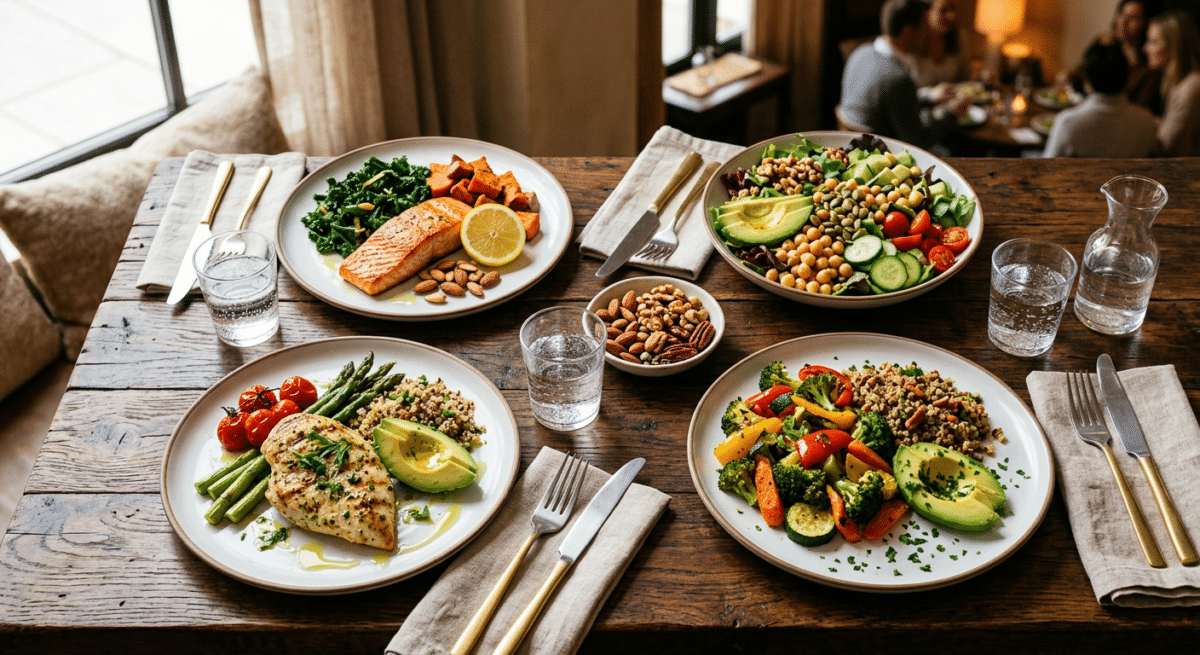
The cravings you experience on GLP-1 medication are telling you something important. When alcohol stops appealing to you, when a bag of chips no longer calls your name the way it once did, when grilled salmon and roasted vegetables start feeling like exactly what you want — pay attention to that. That is not the drug talking. That is your biology, finally allowed to express what it actually needs.
Eat protein first. Prioritize whole foods. Respect the caloric cost of every gram of alcohol, refined carbohydrate, and saturated fat. And use the clarity this medication gives you to build the habits that will outlast it. That is how you turn a prescription into a permanent result.
References:
- Wilding JPH, et al. Once-Weekly Semaglutide in Adults with Overweight or Obesity (STEP 1 Trial). New England Journal of Medicine. 2021.
- Jastreboff AM, et al. Tirzepatide Once Weekly for the Treatment of Obesity (SURMOUNT-1 Trial). New England Journal of Medicine. 2022.
- Leidy HJ, et al. The role of protein in weight loss and maintenance. American Journal of Clinical Nutrition. 2015.
- Sonnenburg JL, Bäckhed F. Diet-microbiota interactions as moderators of human metabolism. Nature. 2016.
- Klok MD, et al. The role of leptin and ghrelin in the regulation of food intake and body weight in humans. Obesity Reviews. 2007.
Medical Disclaimer: This article is for educational purposes only and does not constitute medical advice, diagnosis, or treatment. Always consult a qualified healthcare provider before making changes to your medication regimen, diet, or treatment plan.